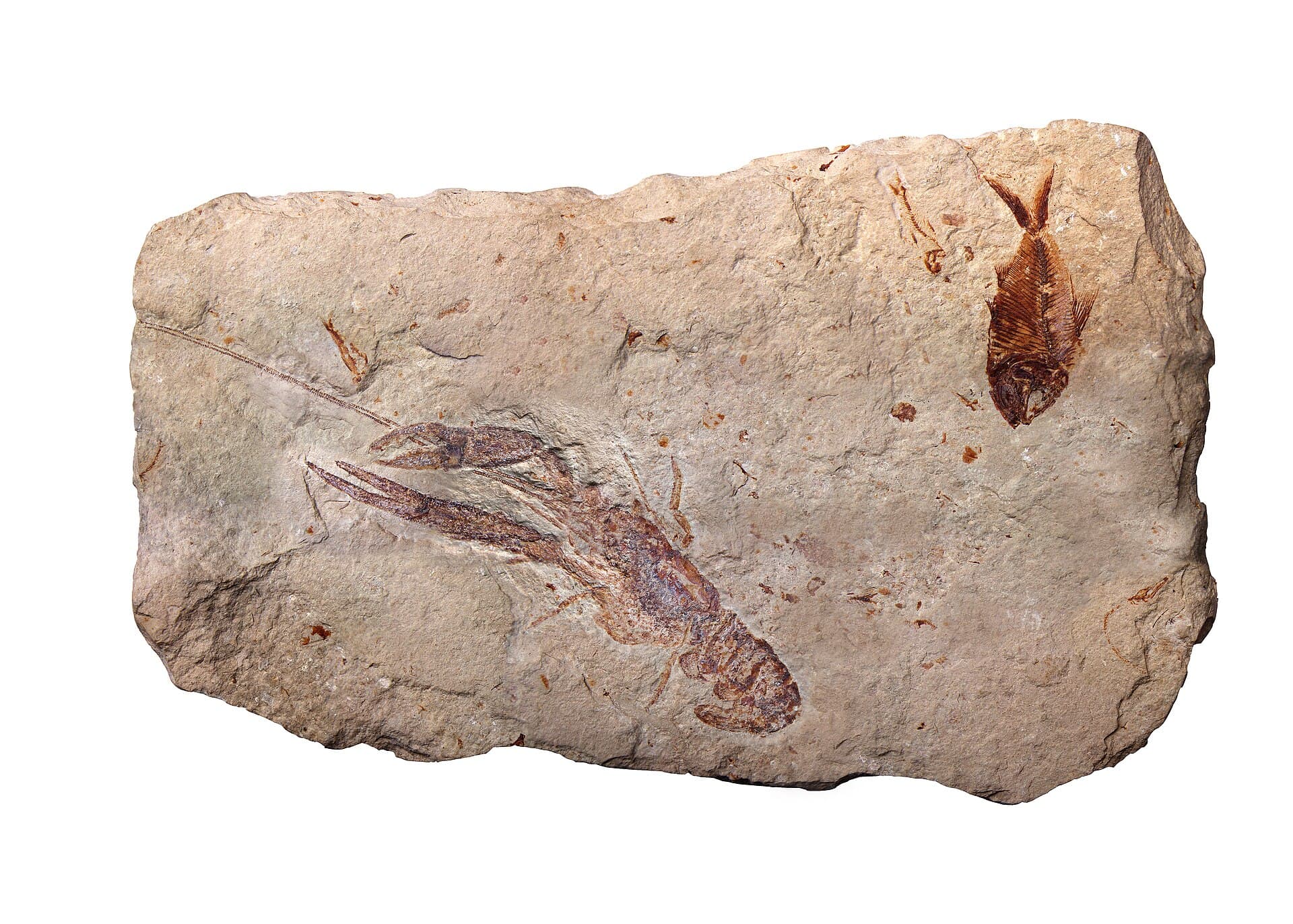
Fossils recovered in Egypt indicate that modern marine fish faunas rose rapidly in the seas following the mass extinction that ended the Age of Dinosaurs, according to a report published by Phys.org on 3 June 2026. The findings speak to a long-standing question about how ocean life reorganised after that global catastrophe.
The extinction is most widely remembered for its effects on land, where it cleared the way for the Age of Mammals. Phys.org notes that scientists have long suspected the same event also reshaped life in the oceans, opening ecological space for the fish groups that dominate the seas today. What has remained harder to pin down is the timing and geography of that change, because the fossil record covering the transition has been sparse.
The Egyptian fossils help address that gap. The report indicates that they capture a phase in which modern ocean fish expanded quickly in the aftermath of the extinction, offering evidence for how soon and how sweepingly marine communities were transformed. By placing that shift in a specific setting, the material adds detail to a picture that has until now been assembled from scattered and incomplete evidence.
Egypt is well known to readers of this site for its pharaonic monuments and inscriptions, yet its rocks also preserve a much deeper natural history. The country's fossil-bearing deposits have long attracted researchers studying life in the ancient oceans that once covered parts of the region. The new study places these Egyptian localities within a global story about recovery and renewal in the seas, connecting a familiar landscape to events that unfolded tens of millions of years before any human civilisation.
For those whose interest in Egypt begins with the ancient world of temples and tombs, discoveries like this are a reminder of how much the same ground has to tell across vastly different timescales. The pharaohs left their record in stone and script, and the older rocks beneath preserve a record of their own in fossil form. Readers drawn to the written legacy of ancient Egypt can also learn to read hieroglyphs with the Hierolyte app, alongside following the wider science emerging from Egyptian soil.
The full report is available from Phys.org.