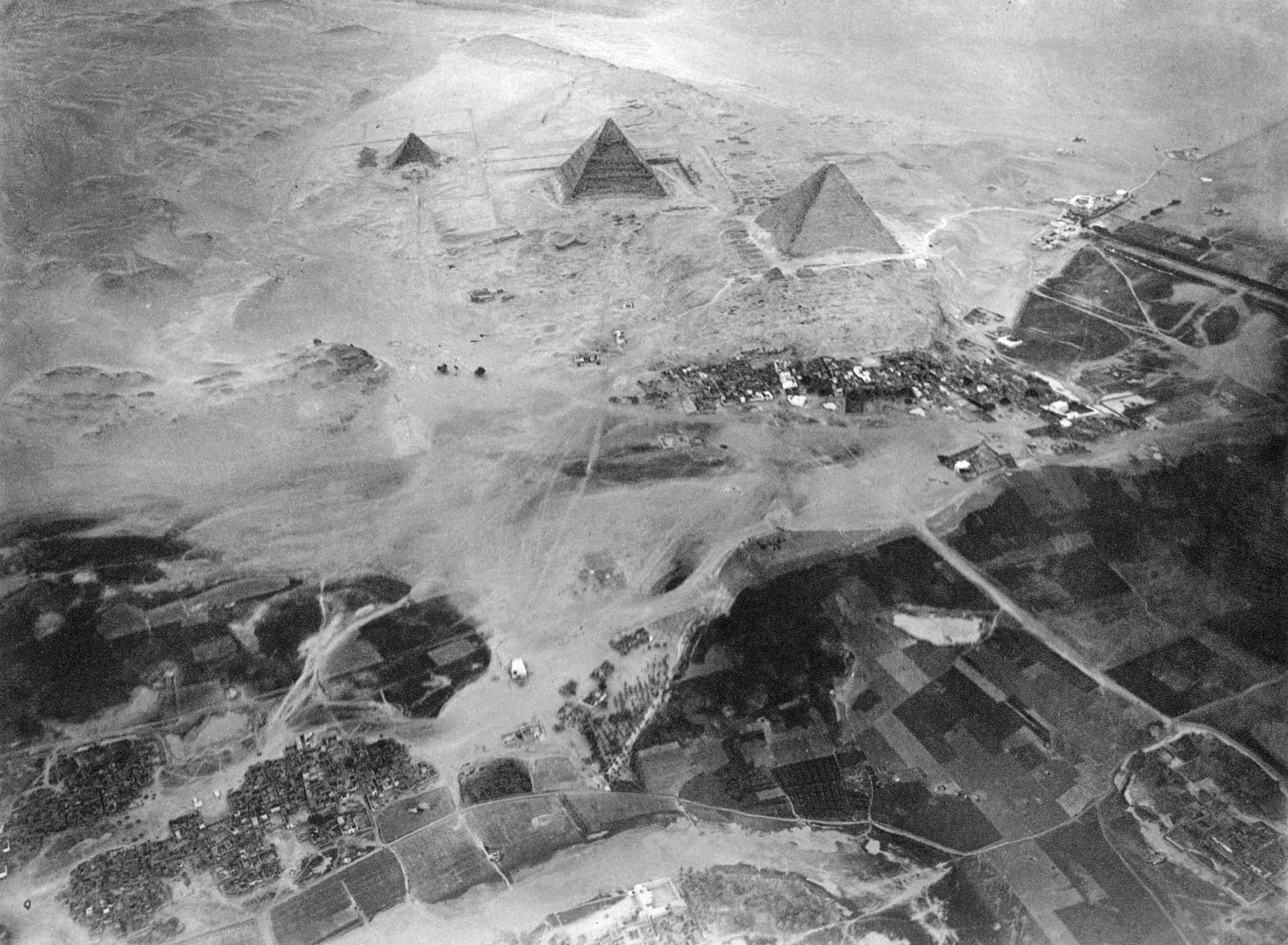
Researchers have identified two hidden, air-filled voids behind the smooth eastern face of the Menkaure pyramid in Egypt, according to a report published by ScienceDaily. The find lends support to a longstanding suggestion that a secret entrance may exist on this side of the monument.
The eastern face has long been regarded as an area that might conceal something unusual, and the new work appears to strengthen that idea. Rather than cutting into the structure, the team relied on non-invasive methods to look beneath the surface. Using techniques that included radar and ultrasound, the researchers were able to locate the two cavities with what the report describes as surprising precision.
The Menkaure pyramid is the smallest of the three main pyramids at Giza, and its eastern side has attracted particular attention over the years. The presence of empty, air-filled spaces behind an outer face is the kind of result that tends to prompt further investigation, since such voids can point to construction features, internal passages or blocked openings. In this case, the team connects the two voids to the possibility of an entrance that has not previously been recorded.
Non-invasive survey work of this sort has become an increasingly important part of pyramid research. Methods such as radar and ultrasound allow specialists to build a picture of what lies inside a monument without disturbing the stone, which is essential for structures of this age and significance. The approach means that a suspected feature can be mapped and assessed before any decision is taken about whether, or how, to explore it directly.
The report frames the discovery as the opening of a fresh mystery inside Egypt's pyramids rather than a settled conclusion. What the two voids represent, and whether they are indeed linked to a concealed entrance, are questions that will depend on continued study of the eastern face and the spaces the survey has revealed.
For readers drawn to the monuments of Giza and the wider world of ancient Egypt, the pyramids remain a reminder of how much of that world was recorded in stone and in script. Those who would like to go a step further and learn to read the hieroglyphs that survive on Egypt's temples and tombs can do so with the Hierolyte app.