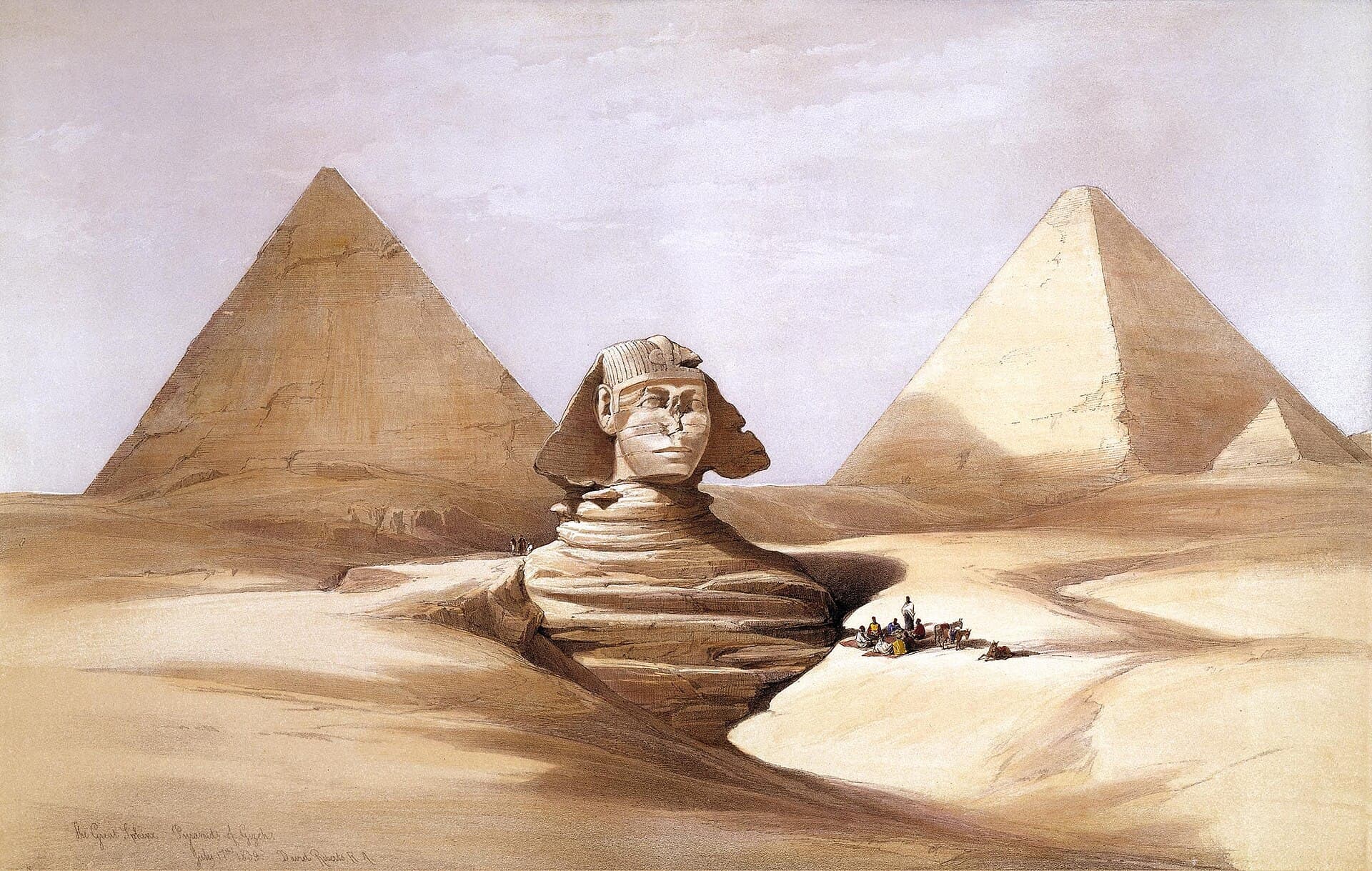
The Great Pyramid of Giza has endured for more than 4,500 years despite repeated earthquakes across the region, and its main body has remained essentially intact throughout, according to a report published by Phys.org.
The pyramid stands on the Giza plateau in Egypt, an area that has been shaken by seismic activity many times over the course of its long history. Among the most notable recent events was the Cairo earthquake of 1992, which registered a magnitude of 5.8. That tremor dislodged some of the pyramid's outer casing stones, yet the enormous structure beneath them held firm.
The survival of such an ancient monument through repeated ground movement is striking. Many buildings raised in later centuries have not fared as well against comparable forces, and the fact that the largest of the Giza pyramids has come through 4,500 years of seismic disturbance says a great deal about the scale and solidity of its construction. The 1992 event offers a useful illustration of how the pyramid responds to stress: the damage was confined to the outer covering rather than the core, leaving the essential form of the monument unchanged.
The Great Pyramid is the oldest and largest of the three main pyramids at Giza and remains one of the most closely studied structures from the ancient world. Its endurance is often discussed in terms of engineering, but the story reported by Phys.org places that endurance in the context of natural hazards rather than human intervention, tracing how the pyramid has weathered the movements of the earth itself over several millennia.
For readers, the account is a reminder that the monuments of ancient Egypt continue to be examined through the lens of modern science, from the materials used in their construction to the ways they respond to the environment around them. The pyramids were built to last, and the record of the past few thousand years suggests that the builders succeeded on a scale few other cultures have matched.
Those drawn to the world that produced these monuments can also explore its written record. The Hierolyte app helps curious readers learn to read the hieroglyphic script that the ancient Egyptians used to record the reigns and achievements of the kings who commissioned such works.