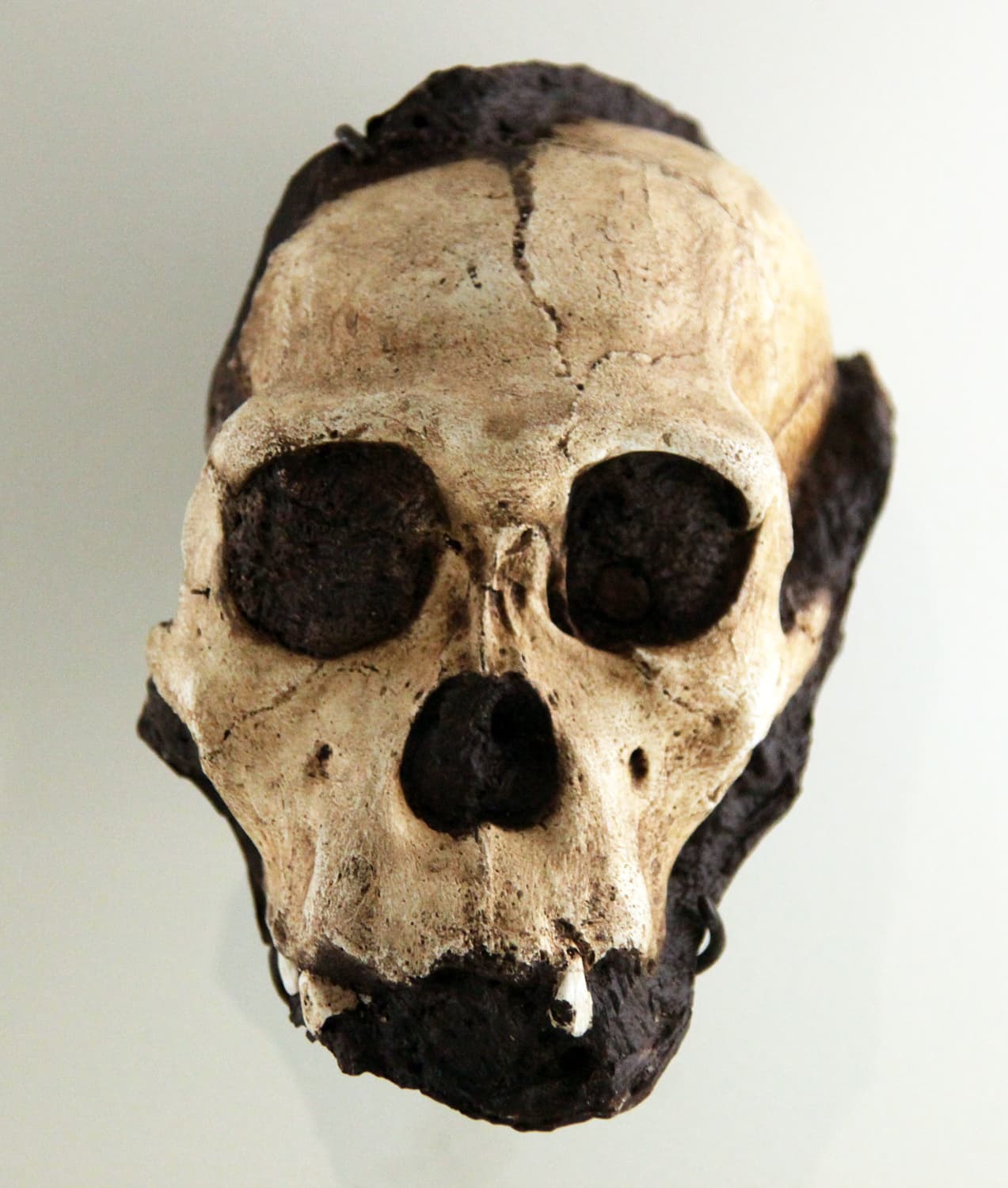
A newly identified fossil ape from northern Egypt is prompting a rethink of where the ancestors of modern apes first appeared, according to ScienceDaily. Analyses place the fossil closer to living apes than any known East African species of the same age, pointing towards North Africa and the Middle East as a possible birthplace and crossroads for the lineage that would eventually give rise to gibbons, orangutans, gorillas, chimpanzees and humans.
The find matters because much of the story of ape origins has traditionally been anchored in East Africa, where many important primate and early human fossils have been recovered. By identifying a specimen from the north of Egypt that sits closer to modern apes than its East African contemporaries, the researchers shift attention to a region that has featured less prominently in accounts of how the ape family tree took shape.
On this reading, North Africa and the Middle East acted not only as a possible point of origin but also as a crossroads, a zone through which populations could move and diversify. That framing connects the geography of the fossil to the later spread of the ape lineage across Africa and Asia, the broad expanse of territory now occupied by the living apes named in the study.
The Egyptian setting is a familiar one for palaeontology. The country's rock formations have yielded a long sequence of fossils spanning many millions of years, from marine creatures to early primates, and northern Egypt in particular has a strong record for the deep prehistory that predates the pharaonic civilisation by an enormous margin. Discoveries of this kind sit at the far end of Egypt's timeline, long before the temples, tombs and inscriptions that most readers associate with the country.
For those whose interest in Egypt centres on the age of the pharaohs and its written record, this fossil is a reminder of just how deep the country's past runs beneath the more familiar layers of history. The hieroglyphic script that Hierolyte helps readers learn belongs to only the most recent chapters of that story, a few thousand years set against the many millions represented by the fossil record. ScienceDaily reports that the analyses continue to place the specimen among the closest relatives of living apes yet known from its time, which is what gives the find its weight in the wider debate over human origins.