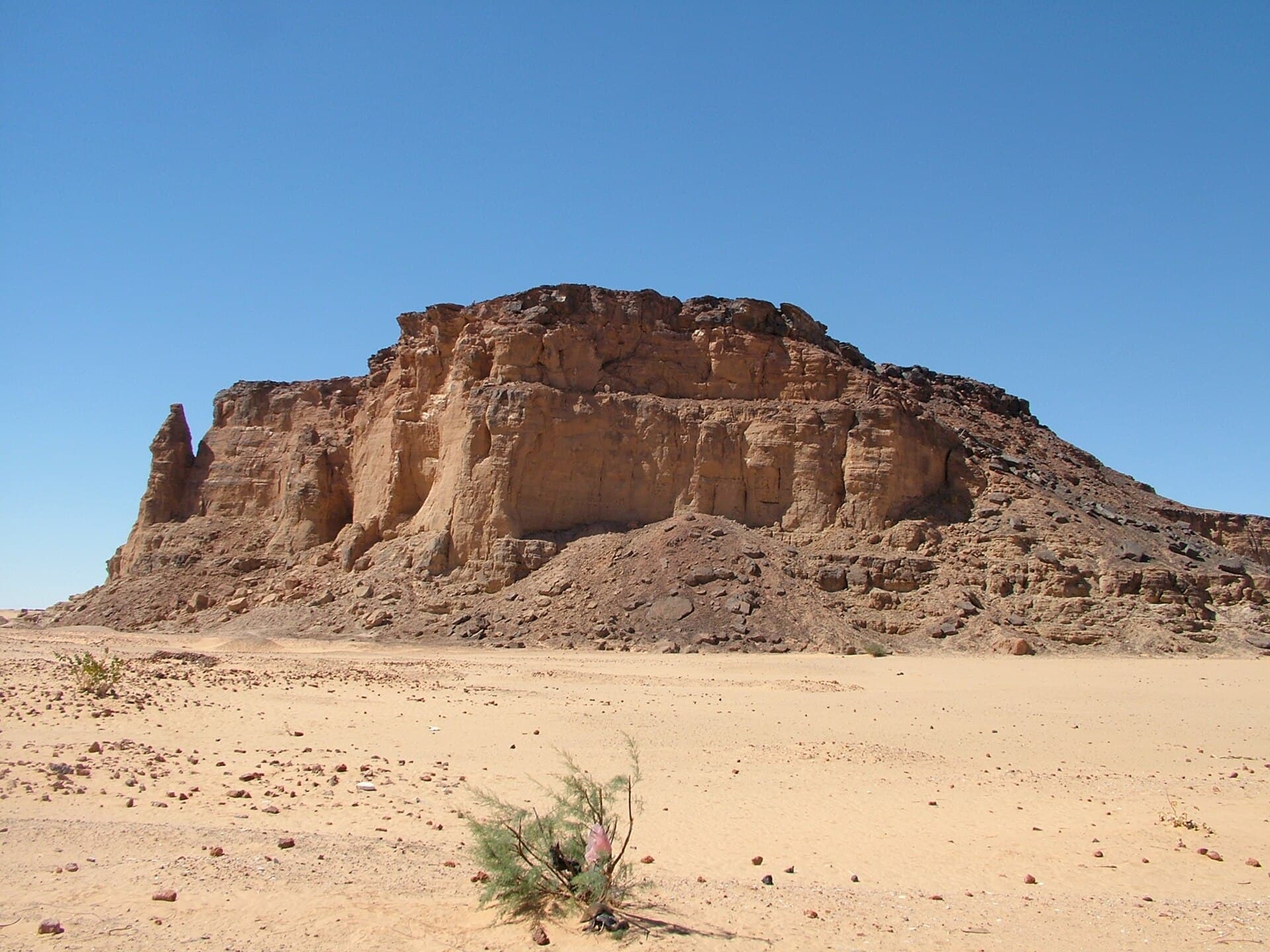
Research described on Phys.org examines how changes in the Nile landscape helped shape the ancient empire of Kush, centred in part on Jebel Barkal in northern Sudan. The account comes from an archaeologist who became co-director of a project at the site in 2018.
Jebel Barkal was an urban centre within Kush, an empire that dominated the Nile Valley on and off for more than 2,000 years. The source dates that span from 2000 B.C.E. to 350 C.E., a remarkably long stretch during which Kush rose, receded and reasserted itself across the region.
The archaeologist recalls being struck by the physical remains still standing at Jebel Barkal, describing pyramids, temples and palaces at the site. These monuments point to Jebel Barkal's status as a place of political and religious importance within the wider Kushite world, and to the scale of the building that took place there.
The central theme of the work is the relationship between people and the river that sustained them. Rather than treating the Nile as a fixed backdrop, the research considers it as a landscape that shifted over time, and it connects those shifts to the fortunes of Kush. The framing invites readers to think about how the movement of water, sediment and channels could influence where communities settled, how they farmed, and how centres of power like Jebel Barkal grew.
Kush is one of the great powers of the ancient Nile Valley, and its long entanglement with Egypt to the north makes it especially significant for anyone interested in the region's history. For long periods the two civilisations were neighbours, rivals and, at times, closely linked, and the Nile was the thread that ran through both. Understanding how the river itself changed helps explain why particular places became important when they did.
The project at Jebel Barkal is ongoing, and its focus on the shifting river offers a reminder that ancient cities did not sit in unchanging surroundings. The land beneath and around them was itself in motion, and the story of Kush is bound up with that movement over more than two millennia.
Readers drawn to the inscriptions and script of the ancient Nile Valley can begin learning to read hieroglyphs with the Hierolyte app, a natural companion to stories about sites such as Jebel Barkal.