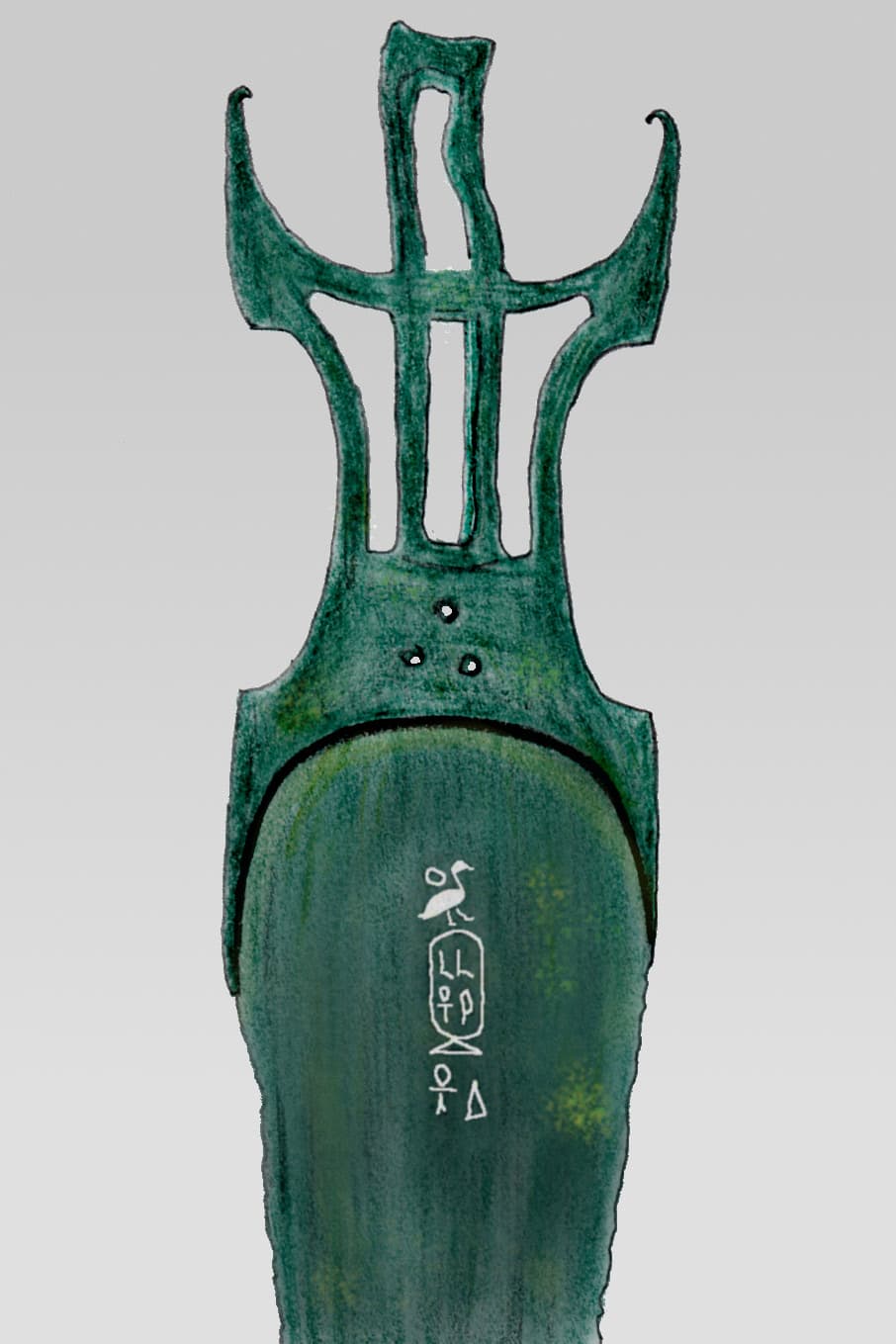
New research argues that some ancient Egyptian princesses buried with bows, arrows and daggers may have used those weapons in life rather than receiving them purely as ornamental grave goods, according to an article published by The Conversation.
The finding turns on the skeletons themselves. Weapons have long been recovered from elite Egyptian burials, and it has often been assumed that when they appear alongside women they served a symbolic or decorative purpose. The research described in The Conversation instead points to physical evidence on the bones of the women buried with such items, suggesting that the weapons reflect activity carried out during their lives.
This distinction matters because grave goods do not always mirror how a person lived. Objects placed with the dead can express status, ritual belief or family identity as much as personal habit. When a skeleton shows signs consistent with the use of a particular tool or weapon, however, it offers a more direct line to what that individual actually did. The article frames its case around exactly this kind of skeletal evidence for the women concerned.
The idea of women bearing arms in ancient Egypt sits within a wider and long-running discussion among Egyptologists about the roles available to royal and elite women. Queens and princesses held religious offices, managed estates and, in some periods, wielded considerable political influence. The suggestion that certain princesses were also associated with weapons in a practical sense adds another dimension to how their lives might be reconstructed from the material record.
As with all interpretations drawn from human remains, the strength of the argument rests on how the skeletal markers are read and how firmly they can be tied to specific activities. The piece in The Conversation presents the case that these women were not simply buried with weapons for show, and that the bones support a more active reading of the objects found beside them.
Burials of this kind are among the richest sources we have for understanding individual lives in ancient Egypt, combining objects, inscriptions and the body itself. Readers who would like to explore the names and titles that accompany such elite figures on their coffins and tomb walls can learn to read hieroglyphs with the Hierolyte app, which makes the underlying script approachable a sign at a time.
The full article is available from The Conversation.