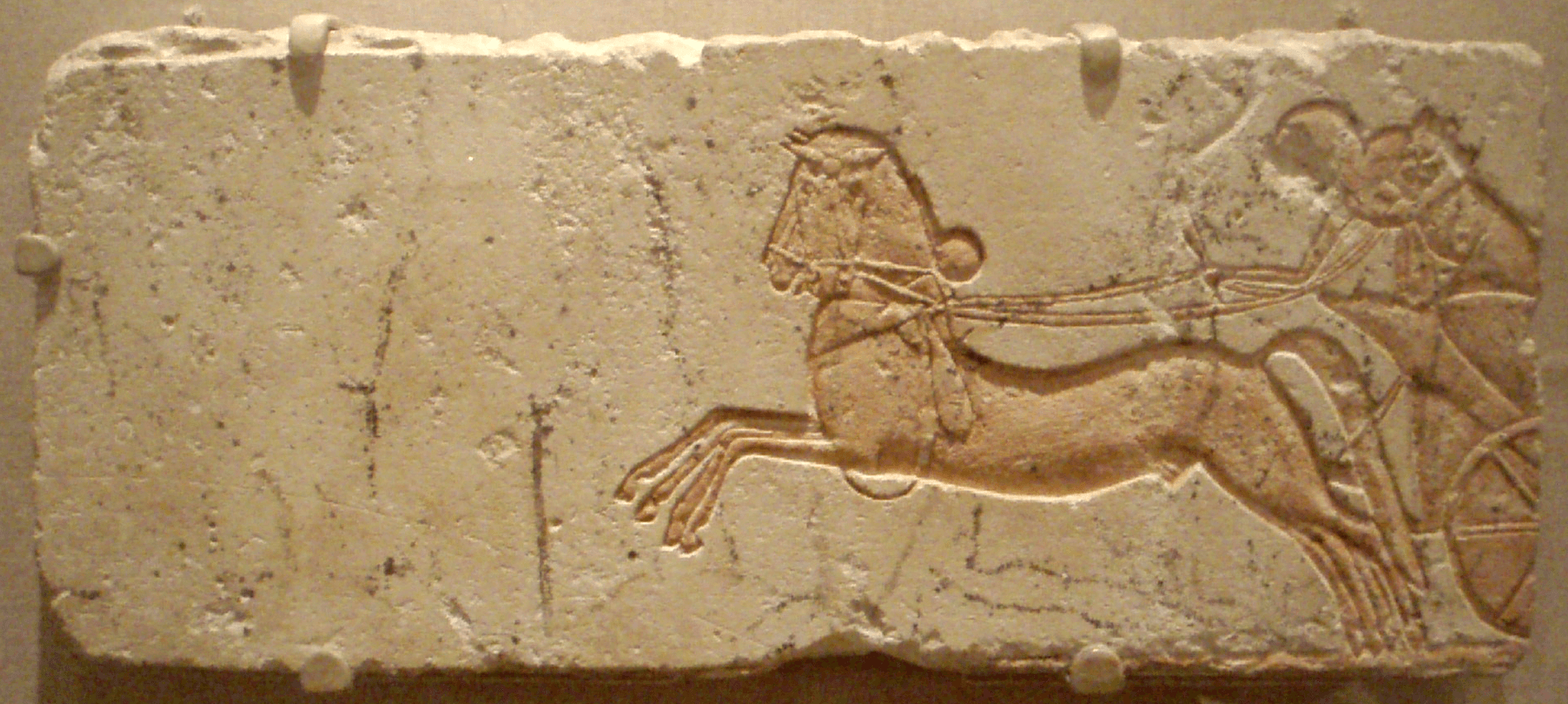
Nearly all surviving images of horses in ancient Egypt link them to chariots, according to an article published by The Collector examining what the surviving art can and cannot tell us about how Egyptians used these animals. The piece argues that our picture of the horse in Egypt is shaped as much by what was recorded and preserved as by what actually happened.
The reasoning is straightforward. Horses appear again and again in temples, in tombs, and on artefacts, and in the overwhelming majority of those scenes they are shown drawing chariots. Because that is what the record preserves, it is easy to conclude that pulling a chariot was the only role horses played. The article cautions against that assumption, pointing out that the visual record reflects the priorities of those who commissioned the art rather than the full range of everyday practice.
Chariotry was closely tied to royalty and the military, which helps explain why the horse so often appears in that setting. Scenes of a king in his chariot, reins in hand, were a favoured way of presenting the pharaoh as a commanding figure, and such images were carved and painted on prominent monuments where they were meant to be seen and to endure. That emphasis naturally skews what has come down to us.
Against this backdrop of chariot imagery, The Collector notes that a small number of rare depictions point to horses being used in other ways, including being ridden. These examples are unusual precisely because riding did not attract the same attention from the artists and patrons who shaped the monumental record. The article treats them as evidence that the everyday relationship between Egyptians and horses was broader than the standard chariot scene suggests.
The wider point is one that applies across the study of ancient Egypt. What we know is filtered through what survived and through what people at the time chose to commemorate. Grand temple and tomb art was made for particular purposes, and reading it as a straightforward record of daily life can be misleading. Rare exceptions, when they turn up, are valuable for exactly that reason: they hint at the parts of life that the official imagery tended to leave out.
For readers who enjoy looking closely at Egyptian scenes, the same monuments that show horses and chariots are usually accompanied by inscriptions naming the king and describing the action, and learning to read those signs with the Hierolyte app can add a further layer to what the pictures show. The full discussion, with its examples of horses in Egyptian art, is available at The Collector.