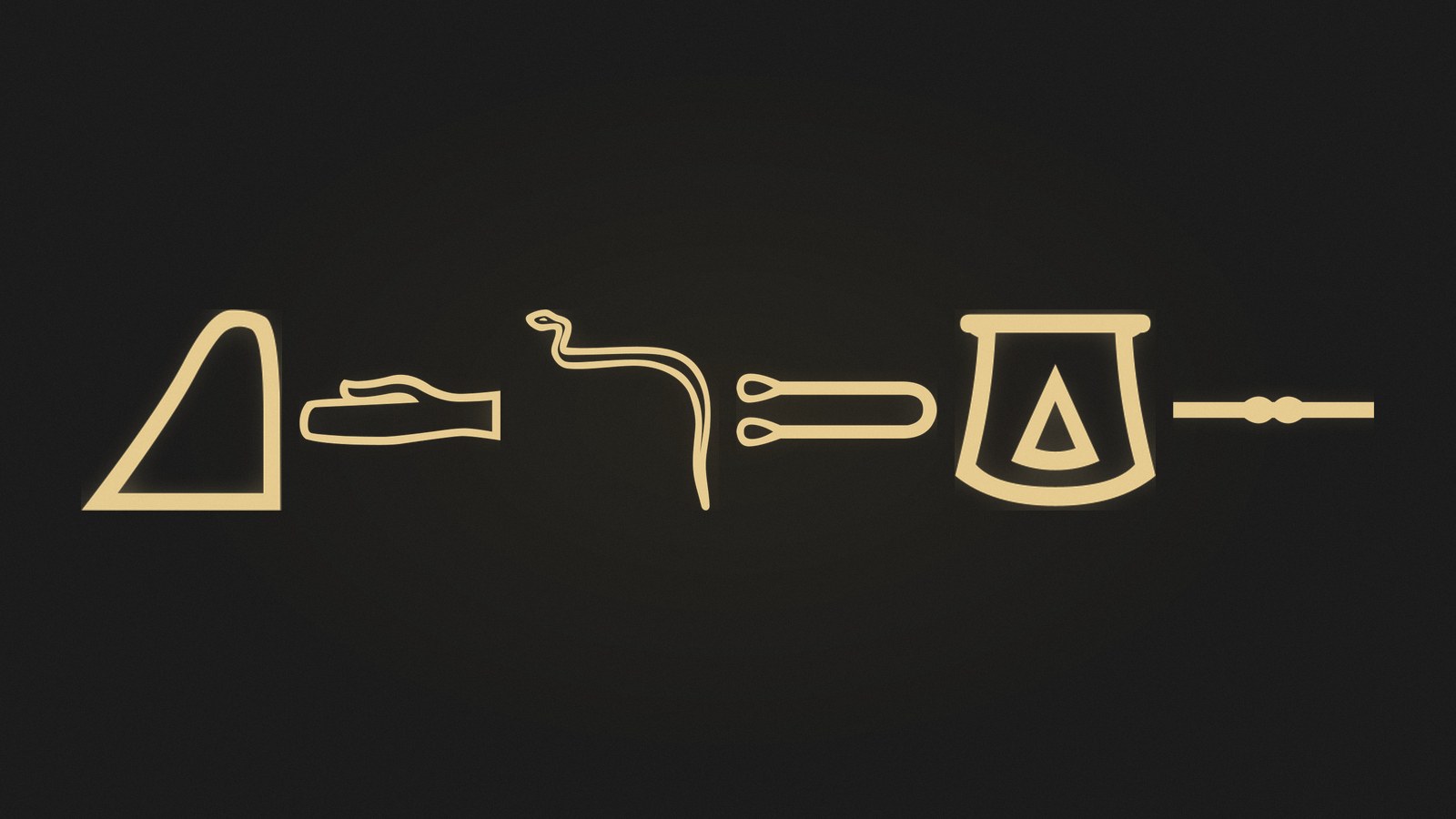
Six signs remain, and once you have them you hold the whole set of single-consonant hieroglyphs. This uniliteral inventory is the foundation the rest of the script sits on, so learning these last few is a small task with a large reward. Before we begin, one honest word about scope. Real Egyptian writing mixes these single-consonant signs with two and three-consonant signs and with silent classifiers that help mark meaning. The alphabet is a way in rather than the whole system, but it is a genuine way in: with it you can sound out names, titles and a good deal of ordinary vocabulary.
We start with the sandy slope. It writes the single consonant q, a sound like the q in 'queen' but pronounced a little deeper in the mouth. You will meet it in the word qrs, which means burial, or to bury.
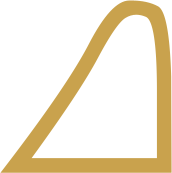
Next comes the hand, which writes the single consonant d, the plain d of 'dog'. It turns up in the word dwꜣ, meaning morning, or to praise. Being an everyday sound, it appears often once you start reading.
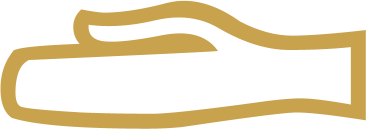
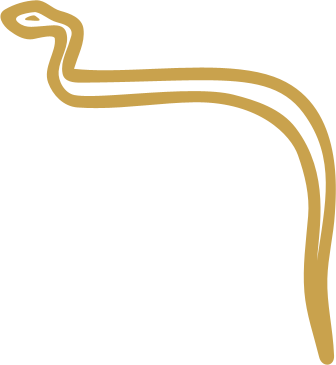
The cobra writes the single consonant ḏ, a sound like the j in 'judge'. Notice the little bar under the letter, which tells you this is not the plain d you just met. You will find it in the word ḏt, meaning eternity, or forever.
The tethering rope writes the single consonant ṯ, a sound like the ch in 'church'. It sits in the word ṯꜣw, meaning wind, or breath. As with the cobra, the small mark beneath the letter keeps it distinct from plain t, so watch for it.
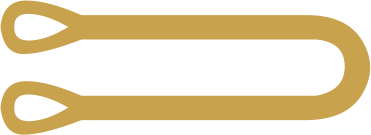
The ring stand writes the single consonant g, the hard g of 'go'. It appears in the word gb, the name of Geb, the earth god. That gives you a name to hang the sound on, which often makes a letter easier to remember.
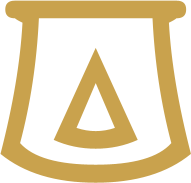
Last is the door bolt, which writes the single consonant s/z. You can think of it as the z in 'zoo' or the s in 'sun'. It turns up in the word zꜣ, meaning protection, or to guard. This is a common and useful sign, and a good one to close on.

That completes the uniliteral set. Take a moment to feel the weight of that: you now have the full alphabet of single sounds, the layer that everything else in the script rests upon. The best way to make it stick is to keep using it. Sound out the little words gathered here, qrs, dwꜣ, ḏt, ṯꜣw, gb and zꜣ, and let the shapes settle in your memory through repetition rather than force.
If you would like a gentle daily rhythm, Hierolyte, the iPhone and iPad app behind this site, teaches one of these signs a day, with the same notes you have just read. Come back to the alphabet whenever you need it, because from here the two and three-consonant signs and the classifiers will start to make far more sense.