A pair of arms can say a great deal. In the hieroglyphic script, Egyptian scribes drew arms embracing, pulling an oar, holding out bread, offering a pot and closing in a fist. Each of these little drawings tells the reader something about the kind of action a word describes. In this lesson we will meet five of these signs one at a time, so that you can begin to recognise them and understand the job they do.
Before we look at the signs themselves, it helps to know what most of them are for. Most of these work as classifiers. A classifier closes a word and signals the action that word names, without adding a sound of its own. You do not pronounce it. Instead, it acts as a clue for the eye, a small picture at the end of a word that points you towards its meaning. For a beginner this is good news, because spotting one of these arm signs at the close of a word gives you a hint about what the word is about, even before you can read everything that comes before it.
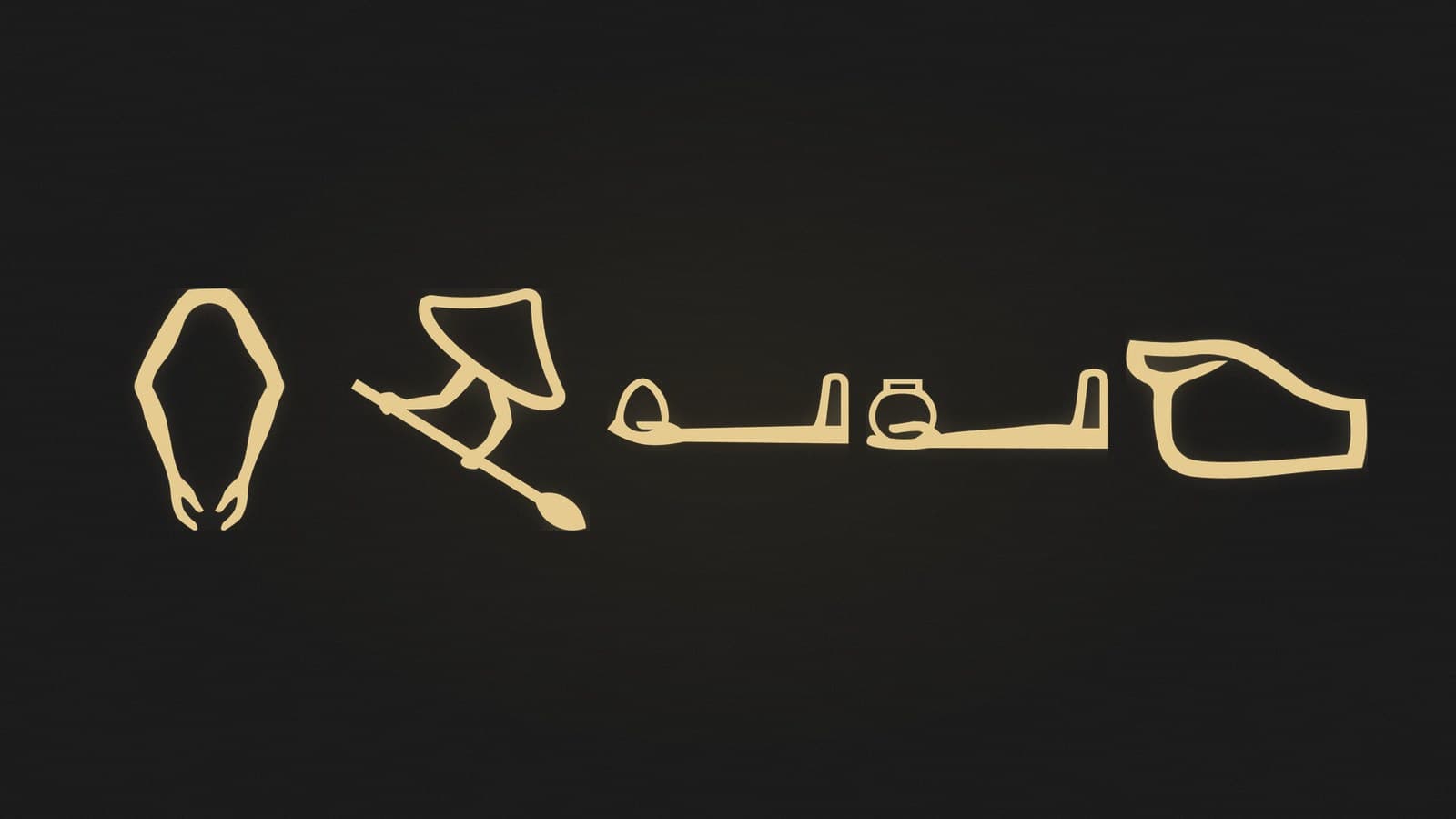
The first sign is arms embrace, labelled D32. It shows arms curved inward in a hugging position. This sign determined words for embracing and encircling. The link between picture and meaning is easy to remember: the arms wrap around, and the words this sign closes are about wrapping around, whether that means holding someone close or surrounding something.
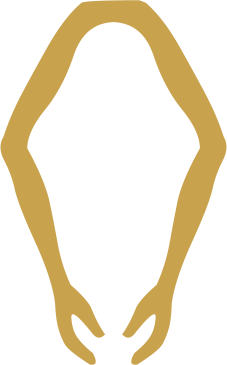
The second sign, arms rowing, labelled D33, shows arms positioned as if pulling oars through water. This sign marked words for rowing and paddling. Where the embracing arms are about closeness, these arms are about effort and movement. When you see this sign closing a word, you know the word has something to do with driving a boat along with oars or paddles.
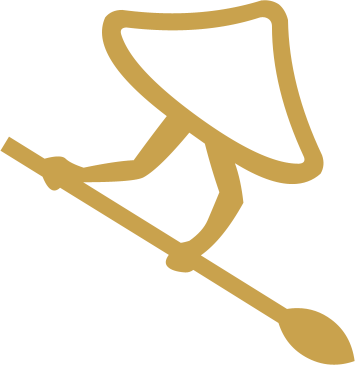
Next come two signs that belong together. The first is arm giving bread, labelled D38. It shows an arm holding out a loaf of bread. This is a variant of the giving sign, and it makes the act of offering tangible and specific. Rather than showing giving in the abstract, it puts a real object into the hand.
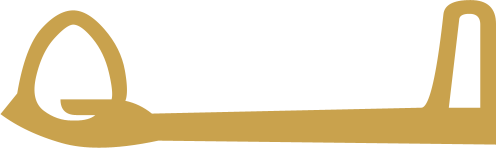
Its partner is arm giving nw, labelled D39. Here an arm extends a nw pot, a small spherical vessel, as an offering. This is another variant of the giving gesture.
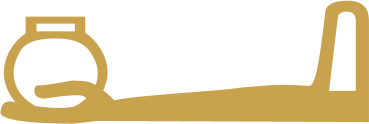
Putting these two side by side teaches an important lesson about the script: the object in the hand matters. Scribes kept one sign for an arm holding a loaf and another for an arm holding a pot, where a looser script would have made do with one. So when you look at an arm sign, it is worth checking what, if anything, the hand is holding. That detail is part of the message.
The last sign in this group is the fist, labelled D49. It shows a tightly clenched fist. This sign determined words for grasping, seizing and taking hold. Once again the picture and the meaning line up neatly: a closed hand is a hand that has caught something and will not let go.
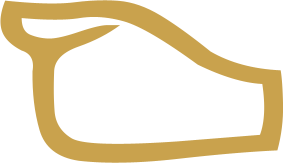
Taken together, these five signs show how much a scribe could express with arms alone. Hugging, rowing, offering bread, offering a pot and gripping tightly are all quite different actions, and each has its own drawing. A good way to practise is to look at each image above and say out loud what the arms are doing, then recall the kind of word that sign closes. Because most of these signs work as classifiers, you are not learning sounds here but learning to read meaning from a gesture, which is one of the most rewarding first steps in reading hieroglyphs.
If you would like to keep going at a gentle pace, Hierolyte, the iPhone and iPad app behind this site, teaches one of these signs a day, with the same notes you have just read.