News: Research
New research and writing on ancient Egypt.
Peer-reviewed studies, new books, and specialist features, from scientific analysis of objects and remains to new readings of sites and texts. Drawn from cited museums, research publications, and specialist reporting; every story links to its sources.
Learning to read the script? The free lessons are in the learning library.
Page 2 of 2, newest first
Research
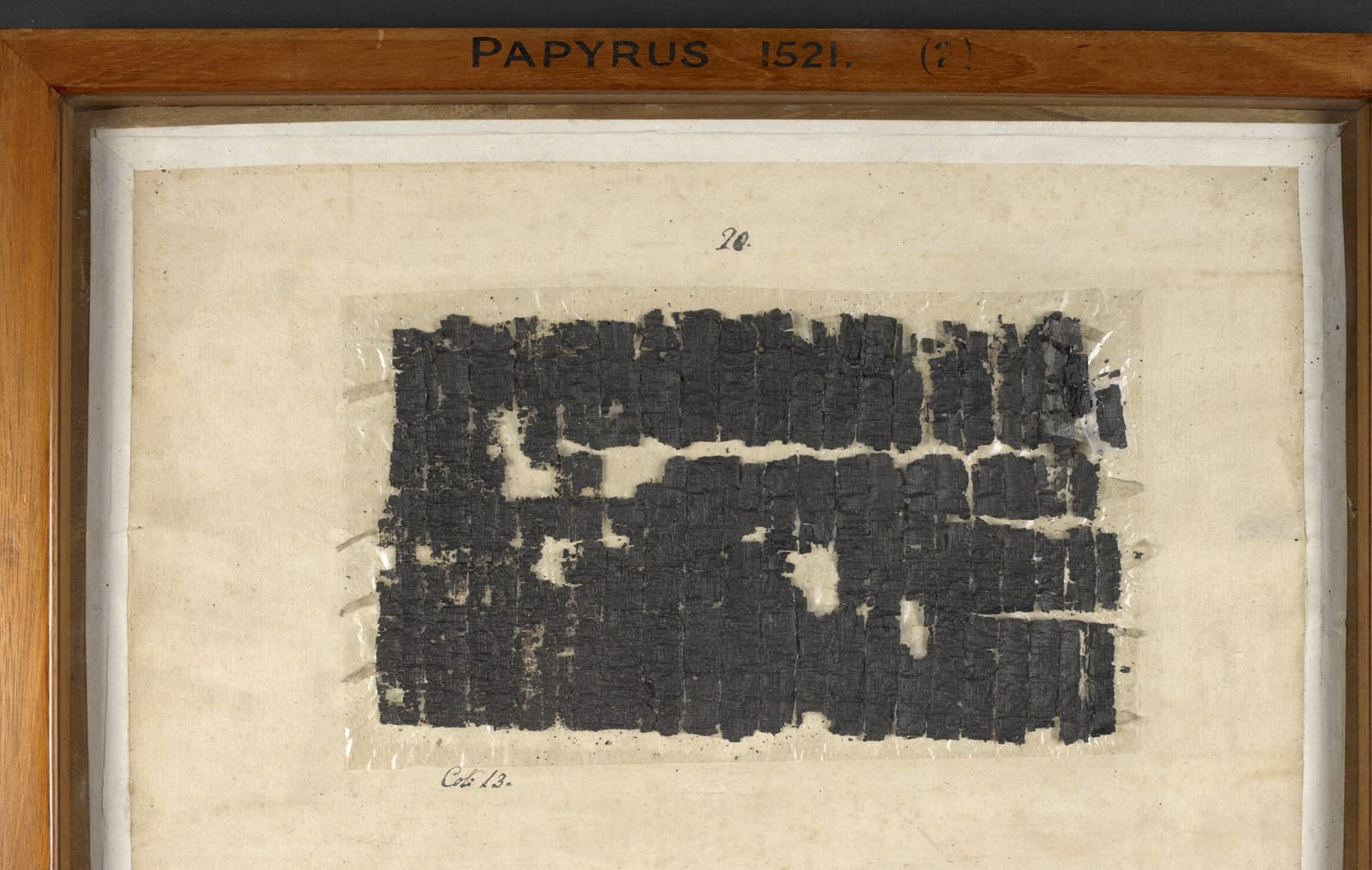
The Buried Library of Herculaneum, and the Machines Learning to Read It
When Vesuvius erupted in AD 79 it sealed the only intact library to survive from the ancient world: hundreds of papyrus scrolls, carbonised and impossible to open. This year, for the first time, a complete sealed scroll was read without being unrolled. Why that matters to anyone who loves ancient texts, and why I am getting involved.
Source: Vesuvius Challenge, Open Problems (2026)

Research
Simone Petacchi examines the evidence for women's literacy in ancient Egypt
The Past has published a feature by Simone Petacchi exploring whether women in ancient Egypt could read and write. The piece works through the fragmentary evidence for women's voices in the culture's written record.
Source: The Past

Research
James Harrell examines the uncertain origins of ancient Egypt's carnelian
Geologist James A Harrell has published a feature with The Past on the uncertain origins of carnelian, one of ancient Egypt's most popular gemstones. The article treats the reddish-orange stone as a geological puzzle, asking where the Egyptians obtained their raw material.
Source: The Past

Research
Ira Rampil examines physical and magical pain relief in ancient Egypt
Ira Rampil has published a second article on pain relief in ancient Egypt, this time examining the physical and magical interventions used to ease suffering. The feature appears on The Past and follows an earlier piece on herbal remedies.
Source: The Past

Research
Hilary Wilson explores how ancient Egyptians were paid in bread and beer
The Past has published the second part of Hilary Wilson's feature on ancient Egyptian economics, showing how workers were paid in food and drink. Bread and beer, both made from grain, formed the core of a system that functioned without coinage.
Source: The Past

Research
The Collector revisits Napoleon's Egyptian campaign and its scientific legacy
The Collector has published a feature on Napoleon's 1798 to 1801 expedition to Egypt and Syria, tracing its military ambitions, administrative reforms and scientific work. The article presents the campaign's scholarly legacy as its most enduring outcome, standing near the start of modern Egyptology.
Source: The Collector

Research
Aidan Dodson traces how the court official Amenhotep-son-of-Hapu became a god
Egyptologist Dr Aidan Dodson has explained, in a podcast with TheCollector, how the 18th Dynasty court official Amenhotep-son-of-Hapu came to be worshipped as a god. Dodson, co-author of a forthcoming biography, traces a reputation that lasted for centuries after the man's death.
Source: The Collector
Research
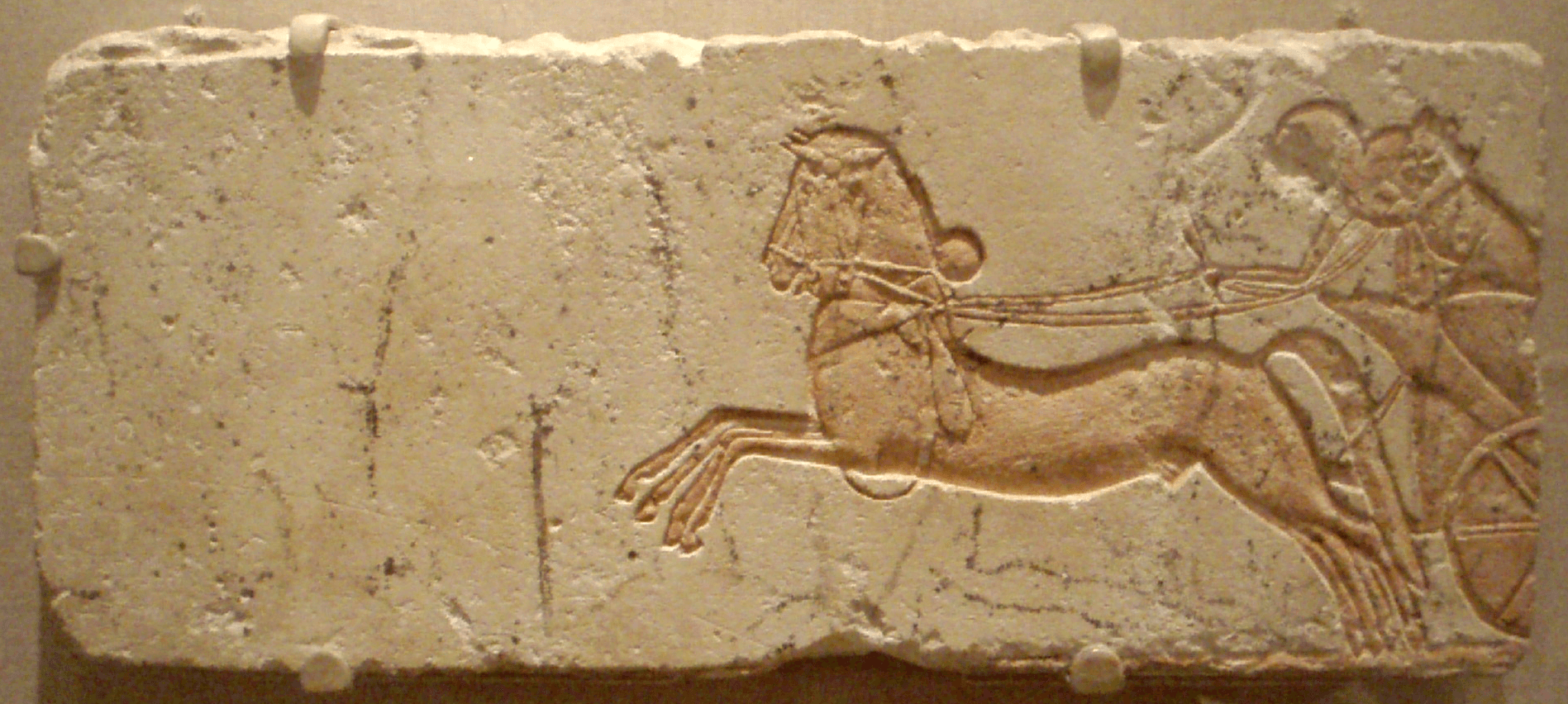
What Egyptian art reveals about horses beyond the chariot
An article from The Collector examines what Egyptian art reveals about horses, noting that nearly all surviving images tie them to chariots. It argues that rare depictions of horses being ridden show their role was broader than the monumental record suggests.
Source: The Collector
Research
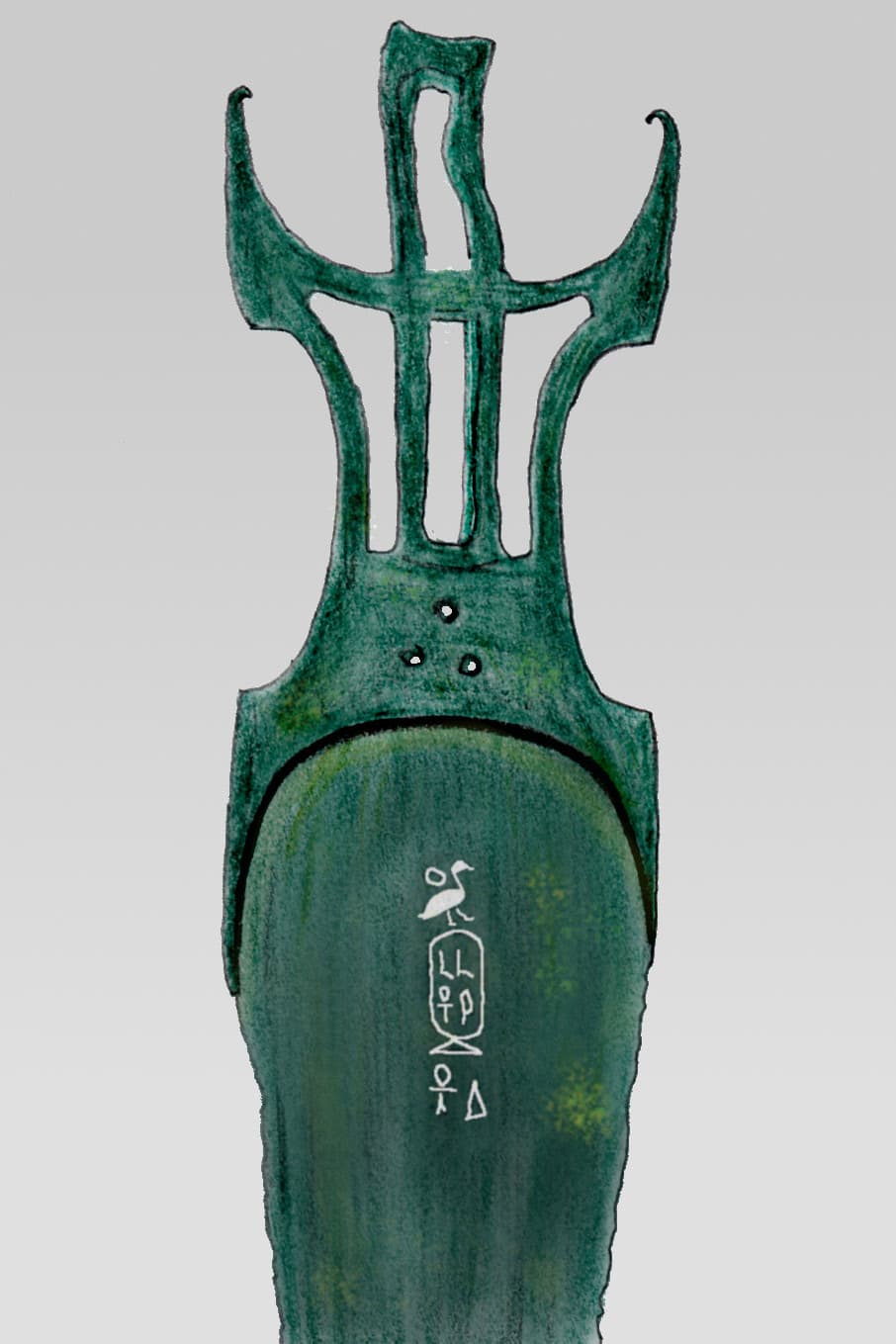
Skeletons suggest ancient Egyptian princesses used the weapons buried with them
An article in The Conversation argues that some ancient Egyptian princesses buried with bows, arrows and daggers may have used those weapons in life. The case rests on physical evidence found on the women's skeletons rather than the grave goods alone.
Source: The Conversation: Ancient Egypt
Research
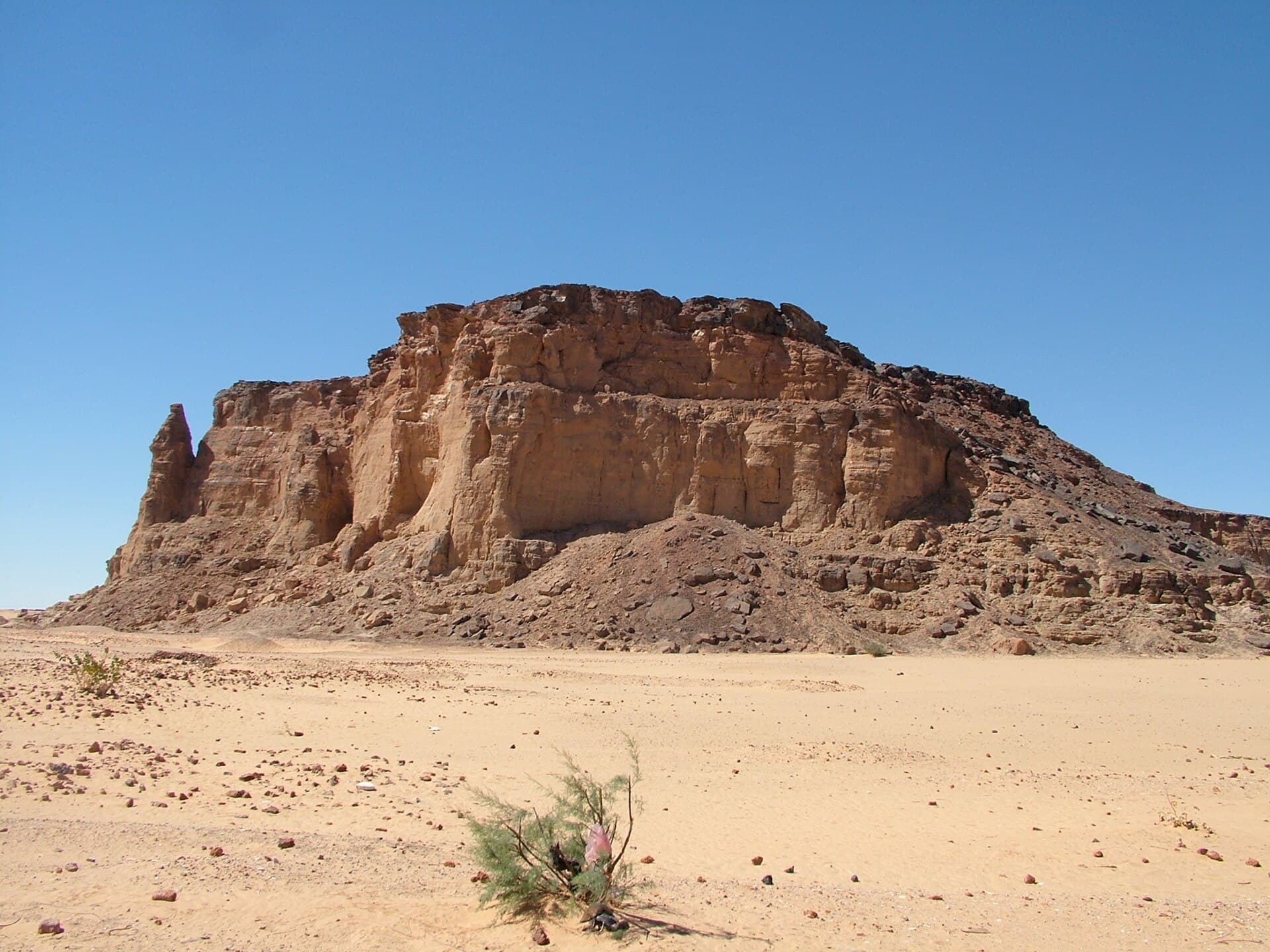
Shifting Nile Landscape Linked to the Rise of Ancient Kush in Sudan
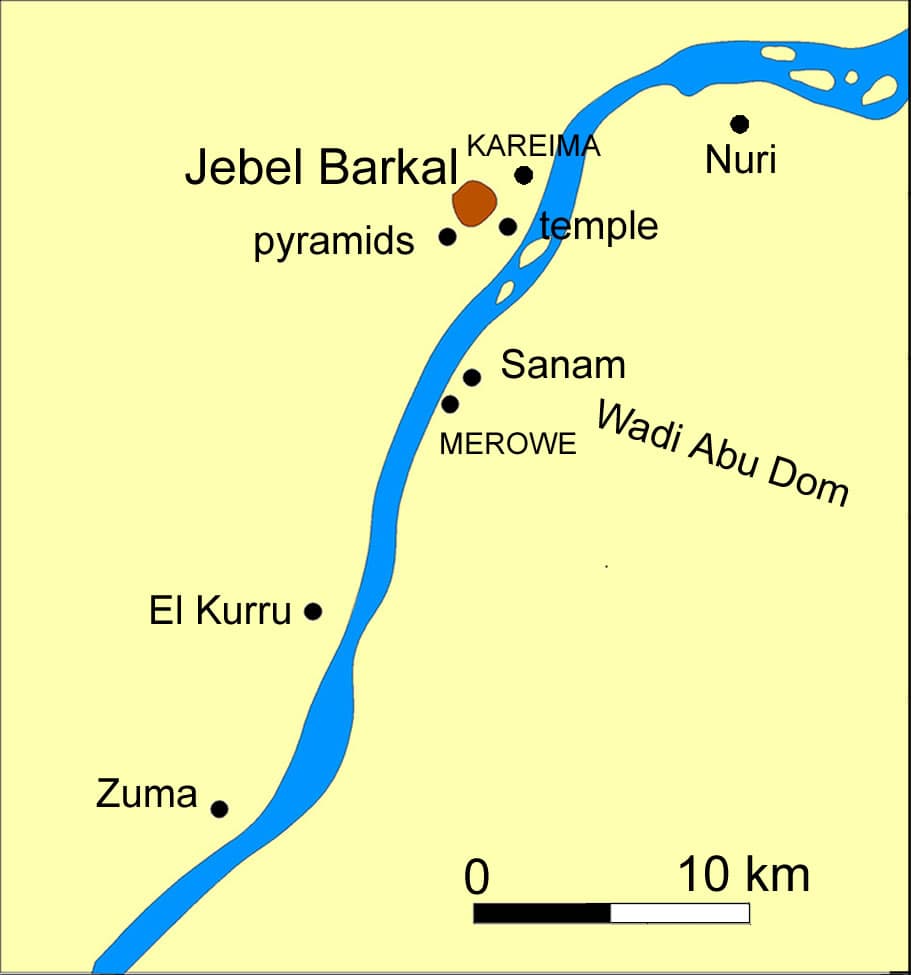
New research discussed on Phys.org links changes in the Nile landscape to the rise of the ancient empire of Kush, centred in part on Jebel Barkal in northern Sudan. Kush dominated the Nile Valley on and off from 2000 B.C.E. to 350 C.E.
Source: Phys.org
Research
Nile geology helped the ancient Kushite city of Napata flourish, Michigan study finds
University of Michigan archaeologists and earth scientists have studied the land beneath the ancient Kushite city of Napata in Sudan to understand why it thrived. Their work points to the Nile and the surrounding geology as key to the city's long success.
Source: Phys.org
Research
How the Great Pyramid of Giza has withstood 4,500 years of earthquakes
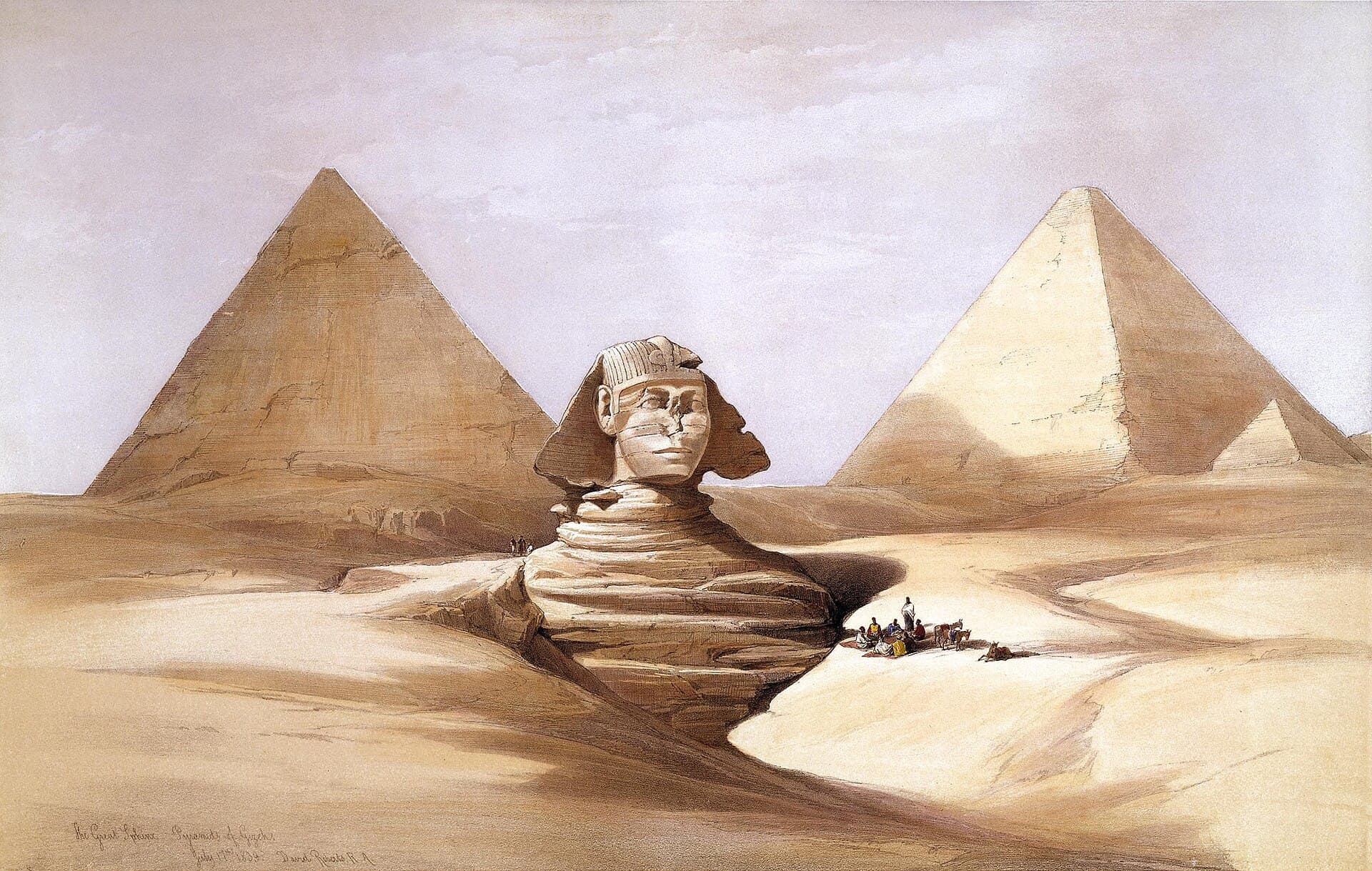
The Great Pyramid of Giza has survived more than 4,500 years despite repeated earthquakes, according to Phys.org. The 1992 Cairo earthquake dislodged some outer casing stones, but the main body of the monument remained essentially intact.
Source: Phys.org
New lessons and news by email.
An email when a new lesson or news story publishes (currently most days), and nothing else. Every email has a one-click unsubscribe link, and your address is used only for this (privacy policy).
Follow Hierolyte in Google Search
Add Hierolyte as a preferred source and its stories are more likely to appear in your Top Stories.