News
News from the world of ancient Egypt.
Excavations, exhibitions, and research. Drawn from cited museums, research publications, and specialist reporting; every story links to its sources.
Learning to read the script? The free lessons are in the learning library.
Page 4 of 5, newest first
Research
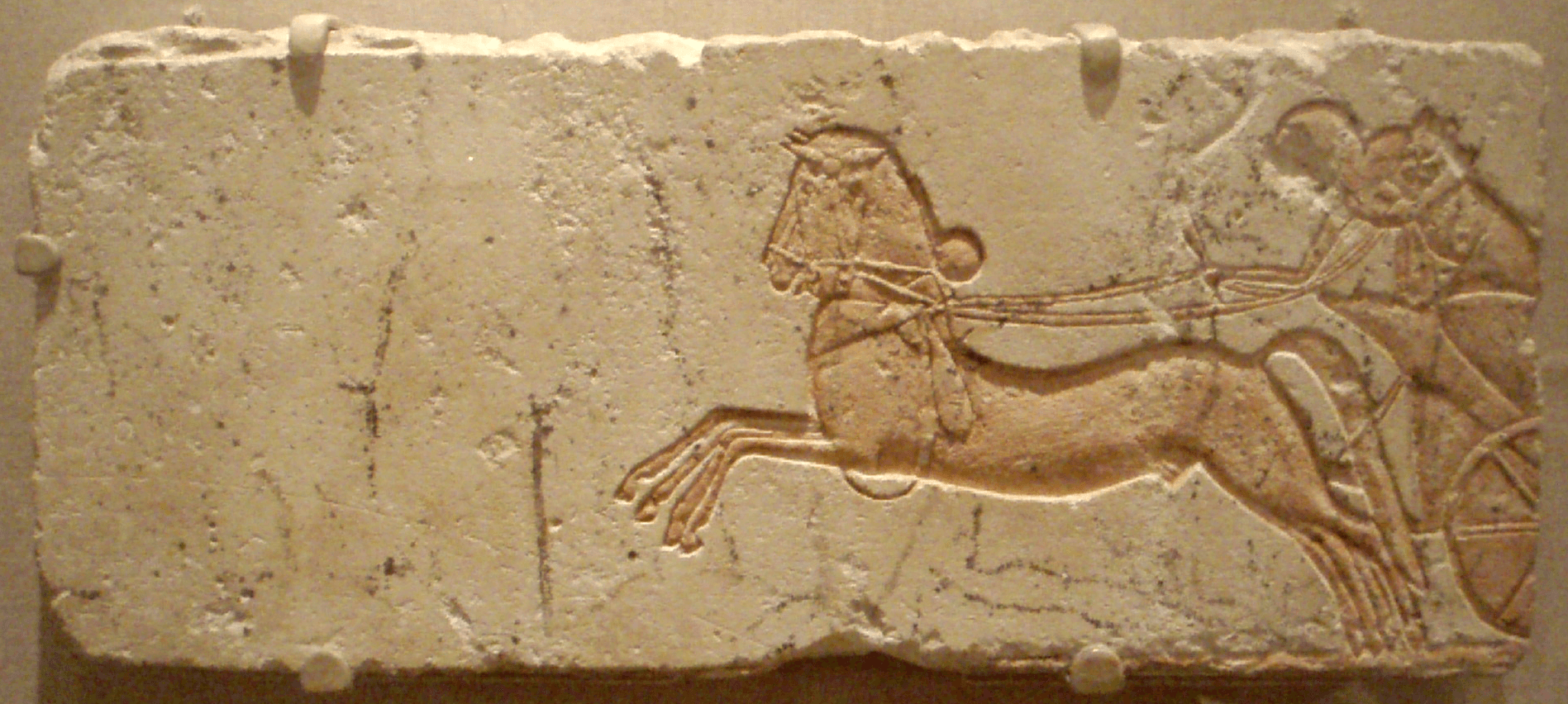
What Egyptian art reveals about horses beyond the chariot
An article from The Collector examines what Egyptian art reveals about horses, noting that nearly all surviving images tie them to chariots. It argues that rare depictions of horses being ridden show their role was broader than the monumental record suggests.
Source: The Collector
Discoveries
A 3,400-year-old relief shows a pharaoh crushing enemies beneath his chariot
Live Science reports on a roughly 3,400-year-old painted relief fragment showing an Egyptian pharaoh crushing western Asian soldiers beneath his chariot. The carved stone was reused three centuries later as building material for a tomb.
Source: Live Science: Ancient Egyptians
Discoveries
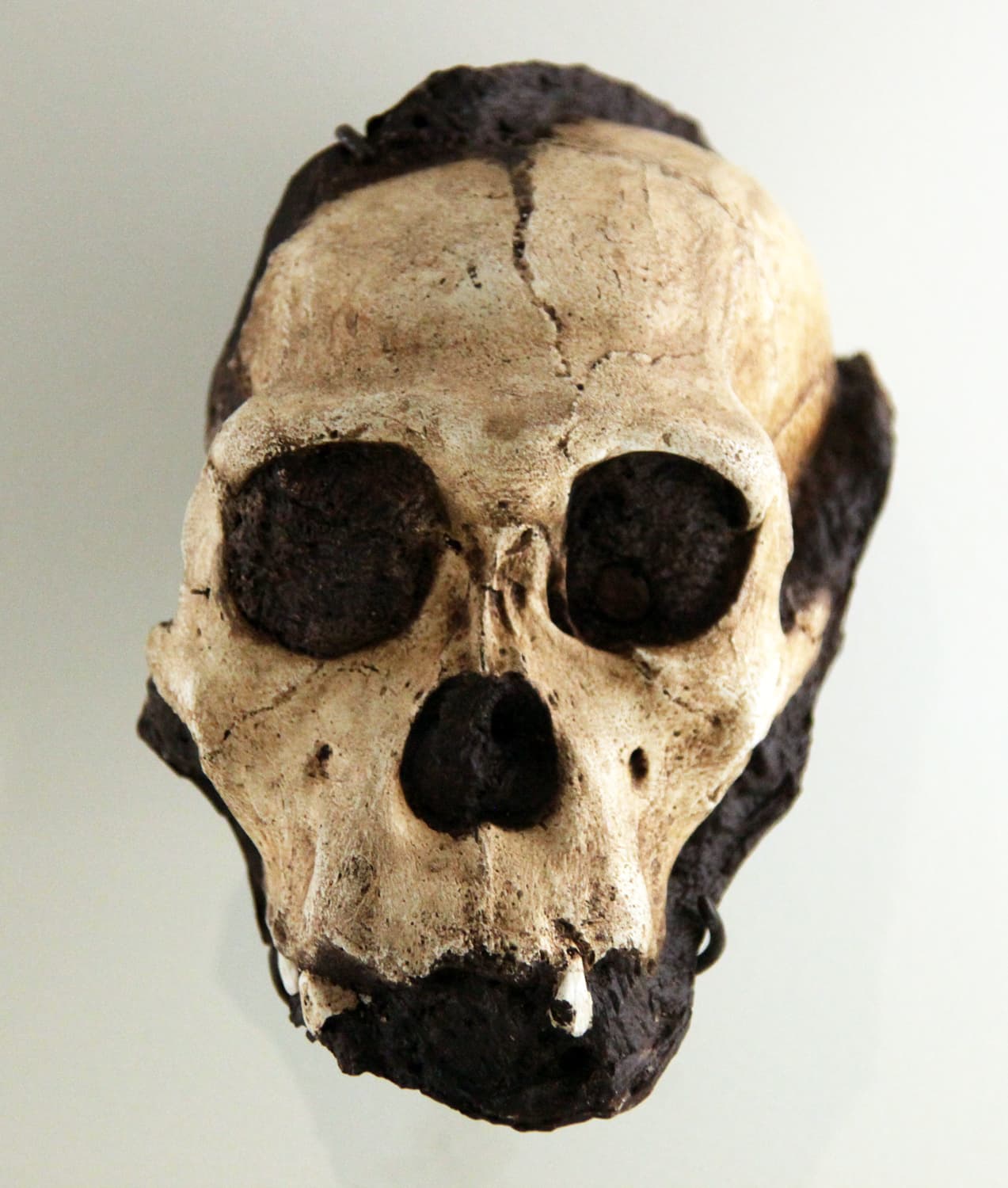
Newly identified ape fossil from northern Egypt reshapes ideas about ape origins
A newly identified fossil ape from northern Egypt sits closer to living apes than any East African species of the same age. Researchers point to North Africa and the Middle East as a possible birthplace and crossroads for the lineage that produced gibbons, orangutans, gorillas, chimpanzees and humans.
Source: ScienceDaily: Ancient Civilizations
Research
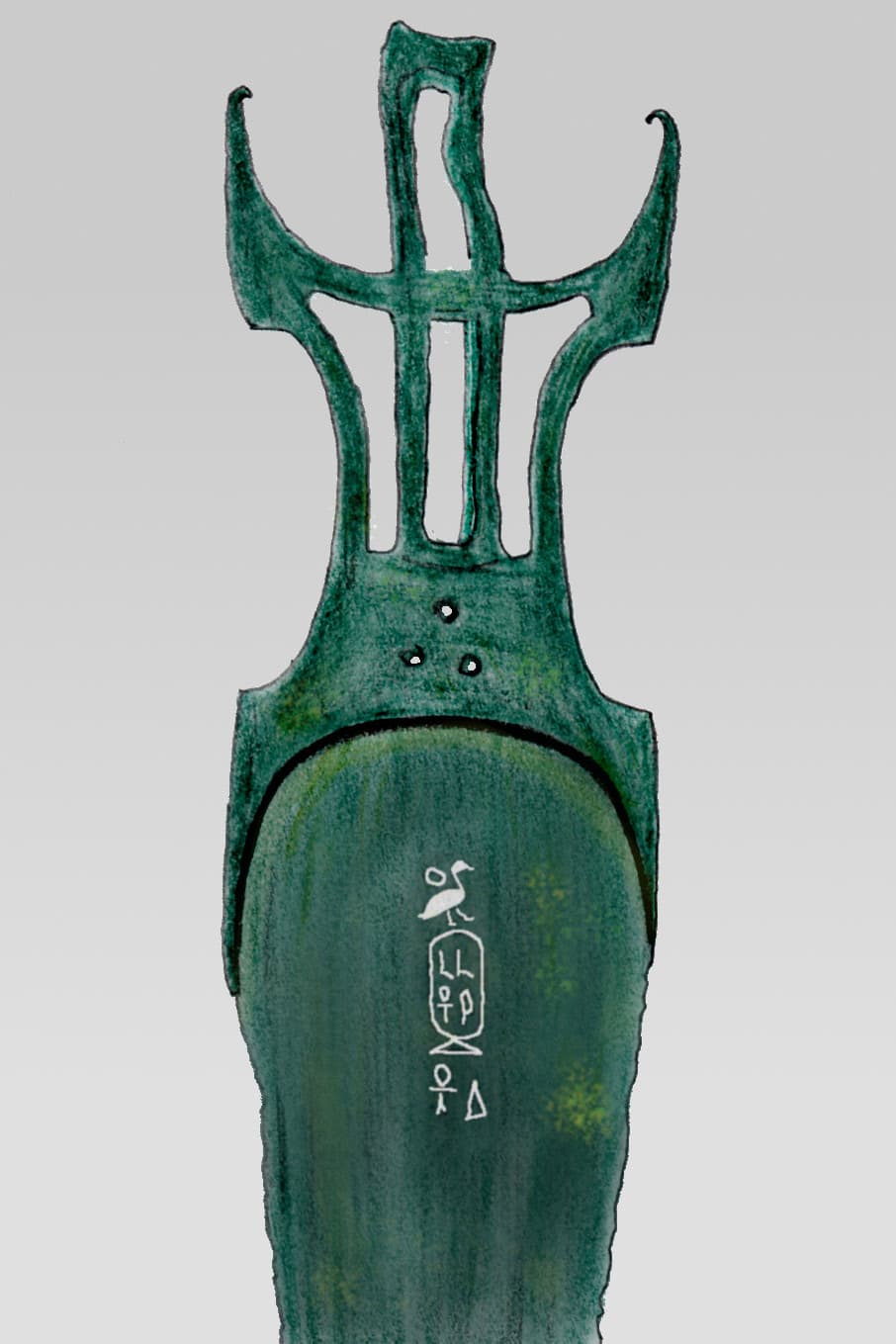
Skeletons suggest ancient Egyptian princesses used the weapons buried with them
An article in The Conversation argues that some ancient Egyptian princesses buried with bows, arrows and daggers may have used those weapons in life. The case rests on physical evidence found on the women's skeletons rather than the grave goods alone.
Source: The Conversation: Ancient Egypt
Exhibitions
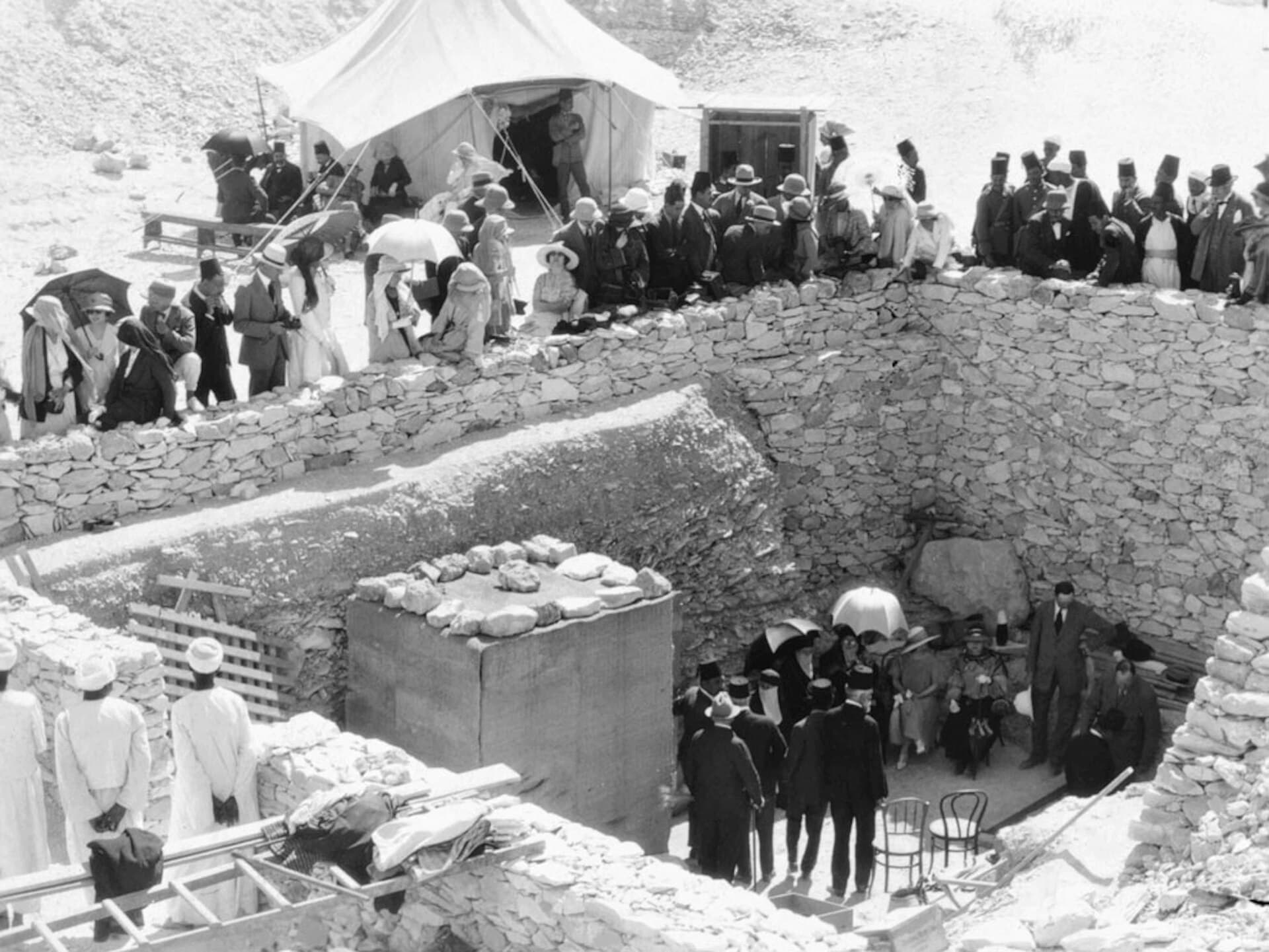
Original mud-plaster sealings from Tutankhamun's tomb go on display for the first time
The original mud-plaster sealings that secured the burial chambers of Tutankhamun's tomb have gone on public display for the first time, according to Current World Archaeology. Made of a Theban material, they preserve traces of the moment the burial was closed in the Valley of the Kings.
Source: The Past
Discoveries
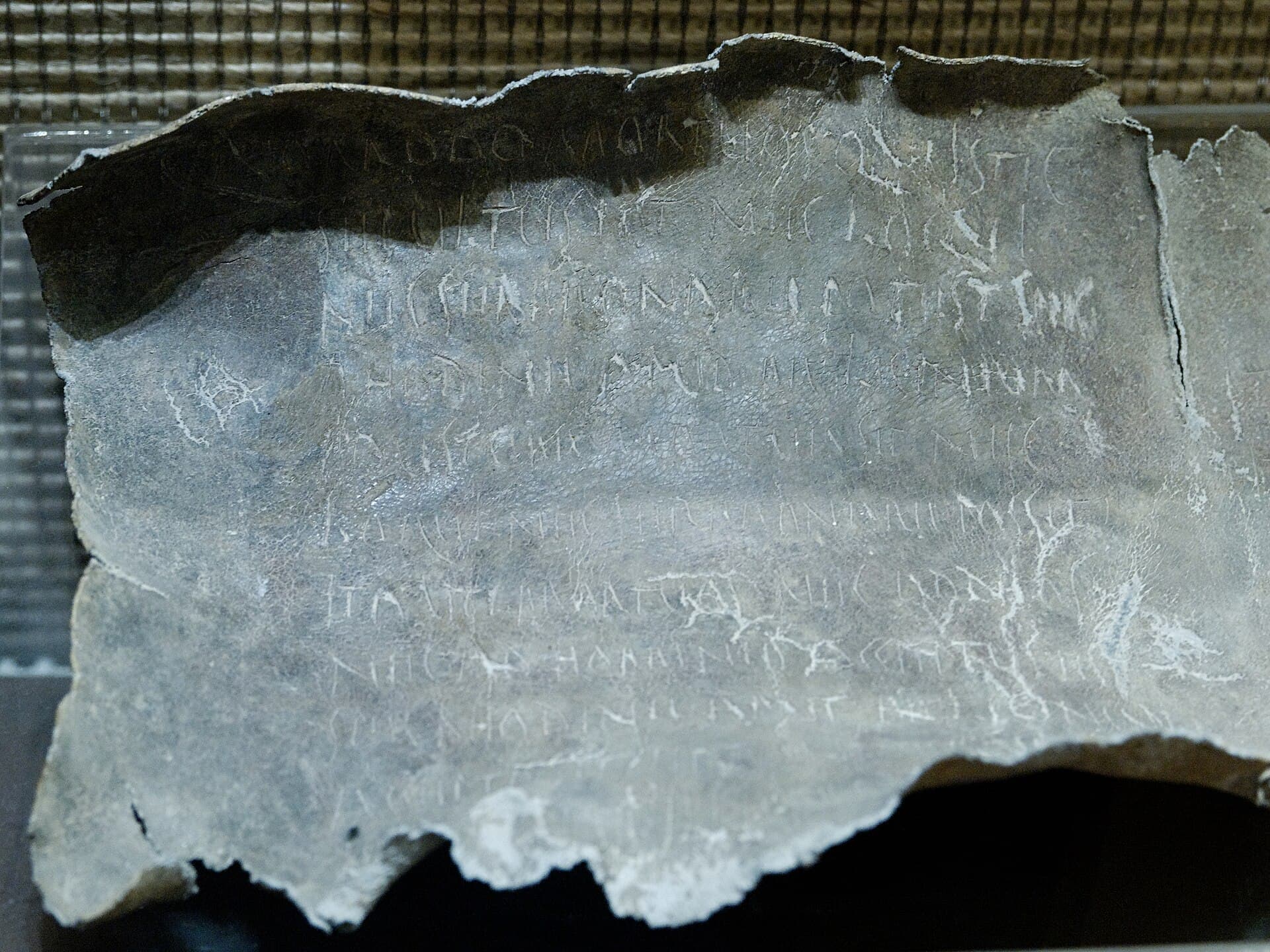
Roman-era curse tablet from Heerlen carries a rare Greek binding spell in the Egyptian style
Heidelberg University researchers have deciphered a 2nd-century A.D. curse tablet found at Heerlen in the former Roman province of Lower Germania. The lead artefact carries a rare ancient Greek binding spell written in the Egyptian style, intended to harm an enemy by invoking gods and demons.
Source: Phys.org
Research
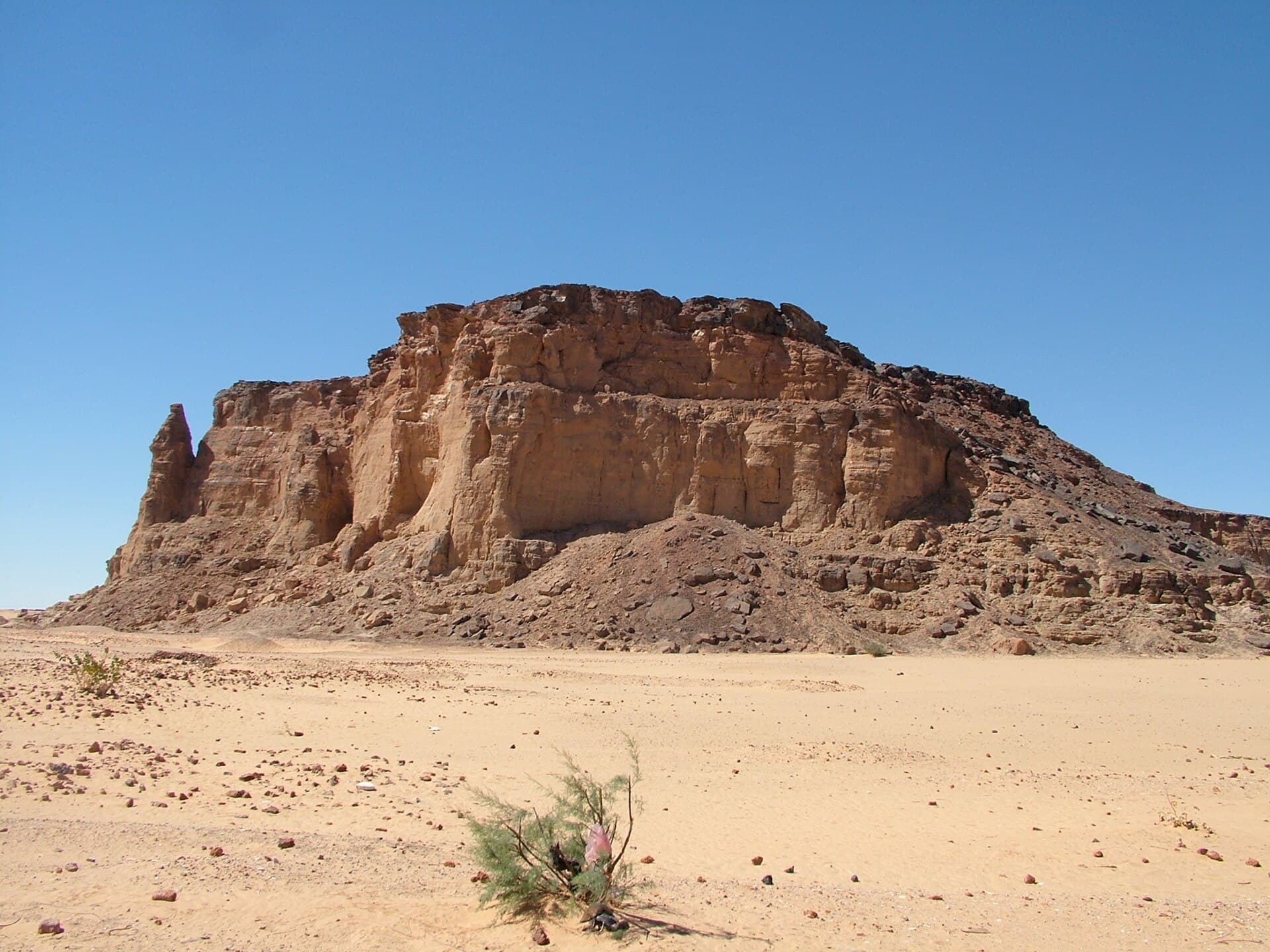
Shifting Nile Landscape Linked to the Rise of Ancient Kush in Sudan
New research discussed on Phys.org links changes in the Nile landscape to the rise of the ancient empire of Kush, centred in part on Jebel Barkal in northern Sudan. Kush dominated the Nile Valley on and off from 2000 B.C.E. to 350 C.E.
Source: Phys.org
Discoveries
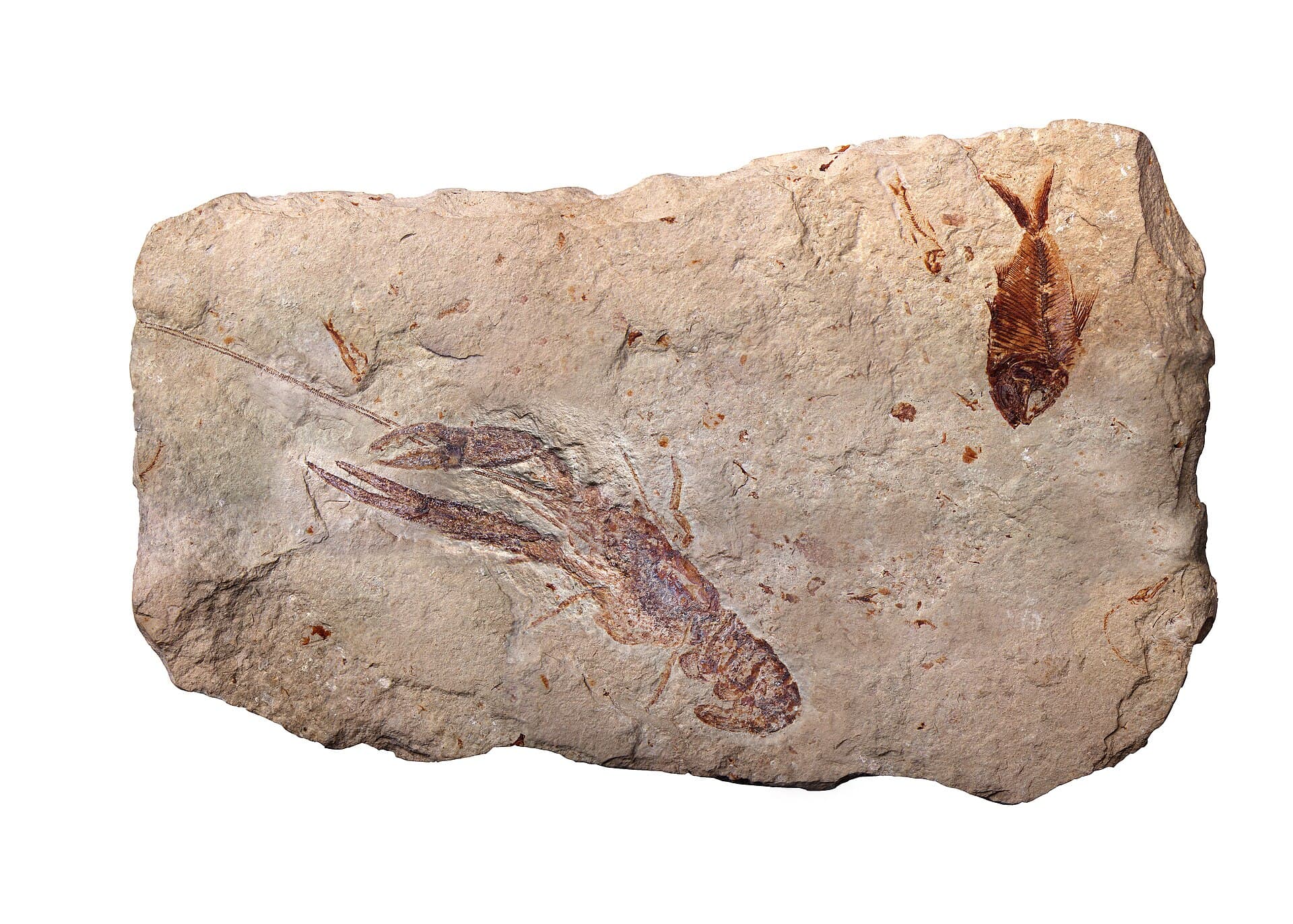
Fossils from Egypt point to a rapid rise of modern ocean fish after the dinosaur extinction
Fossils recovered in Egypt suggest that modern ocean fish rose rapidly in the seas after the extinction that ended the Age of Dinosaurs, Phys.org reports. The findings help clarify the timing and geography of a transition that had been obscured by a sparse fossil record.
Source: Phys.org
Discoveries
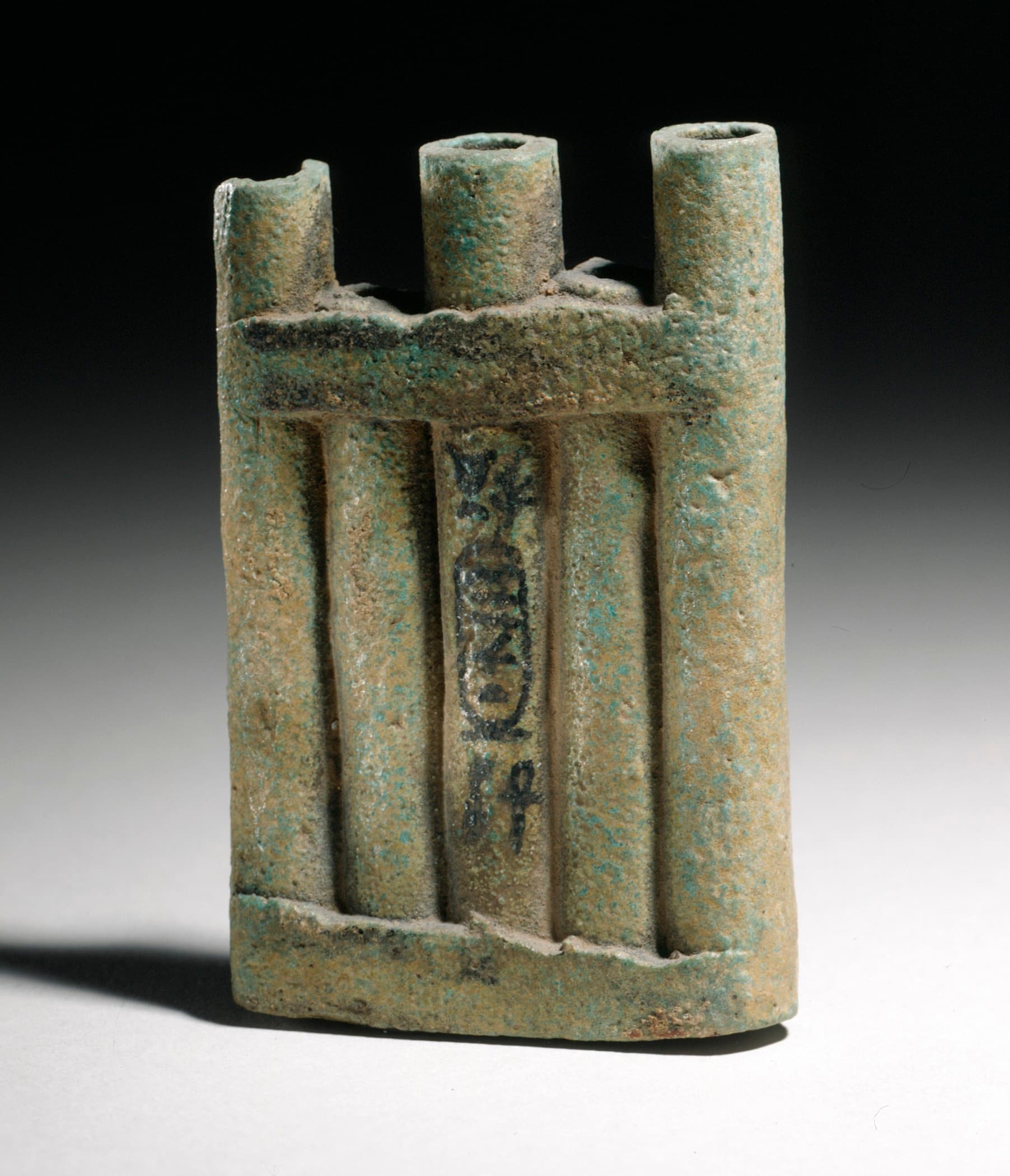
Kohl Bottle from York May Point to an Egyptian Presence in Roman Britain
A kohl bottle found in York may hint at the presence of an ancient Egyptian in Roman Britain, according to a report on Phys.org. Kohl containers are usually found in Egypt and Sudan, and only a handful are known from beyond those regions.
Source: Phys.org
Discoveries
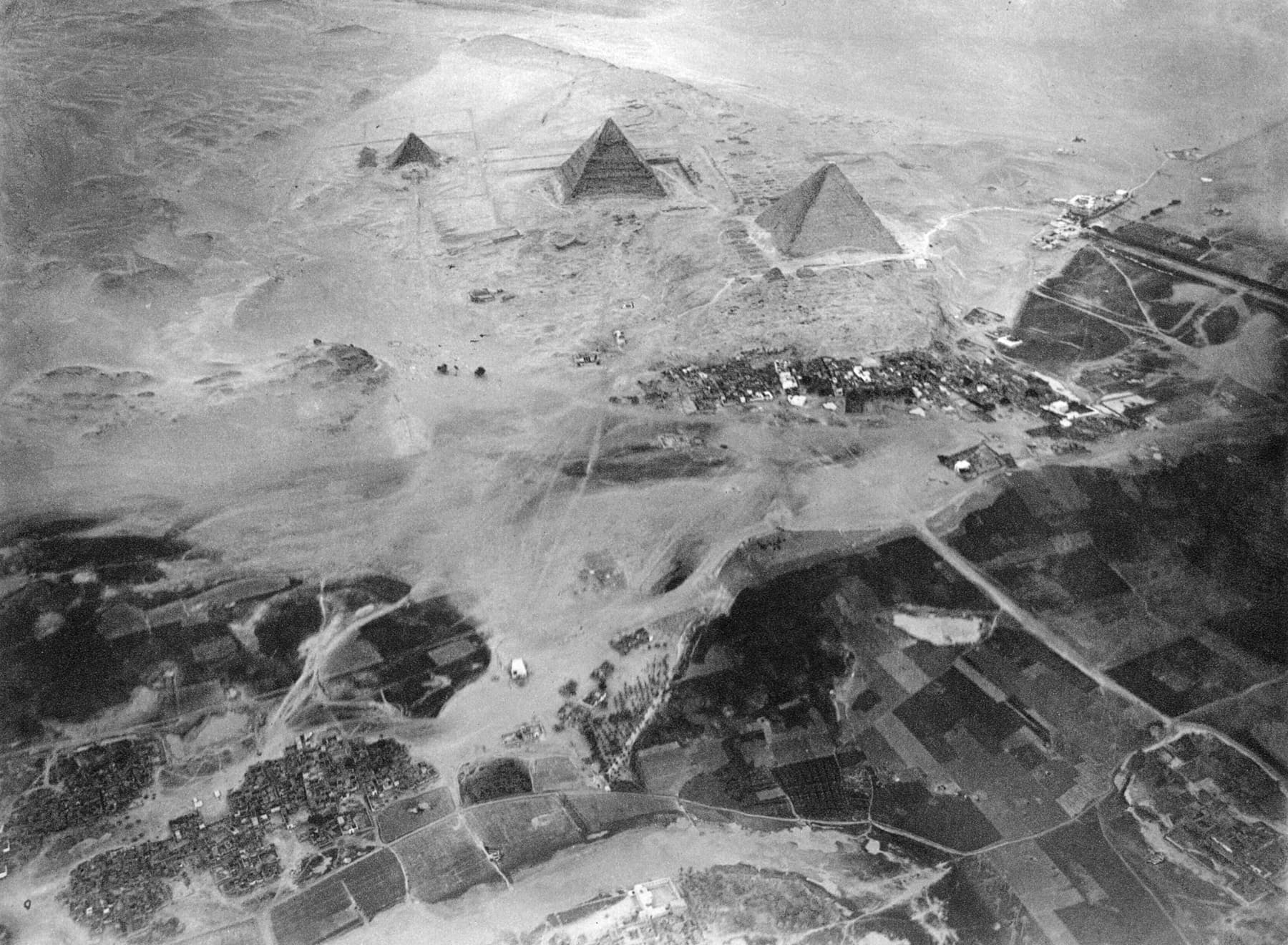
Hidden voids detected behind eastern face of Menkaure pyramid
Researchers have located two hidden air-filled voids behind the eastern face of the Menkaure pyramid at Giza using non-invasive radar and ultrasound techniques. ScienceDaily reports that the find supports the idea of a previously unrecorded secret entrance on this side of the monument.
Source: ScienceDaily: Ancient Civilizations
Research
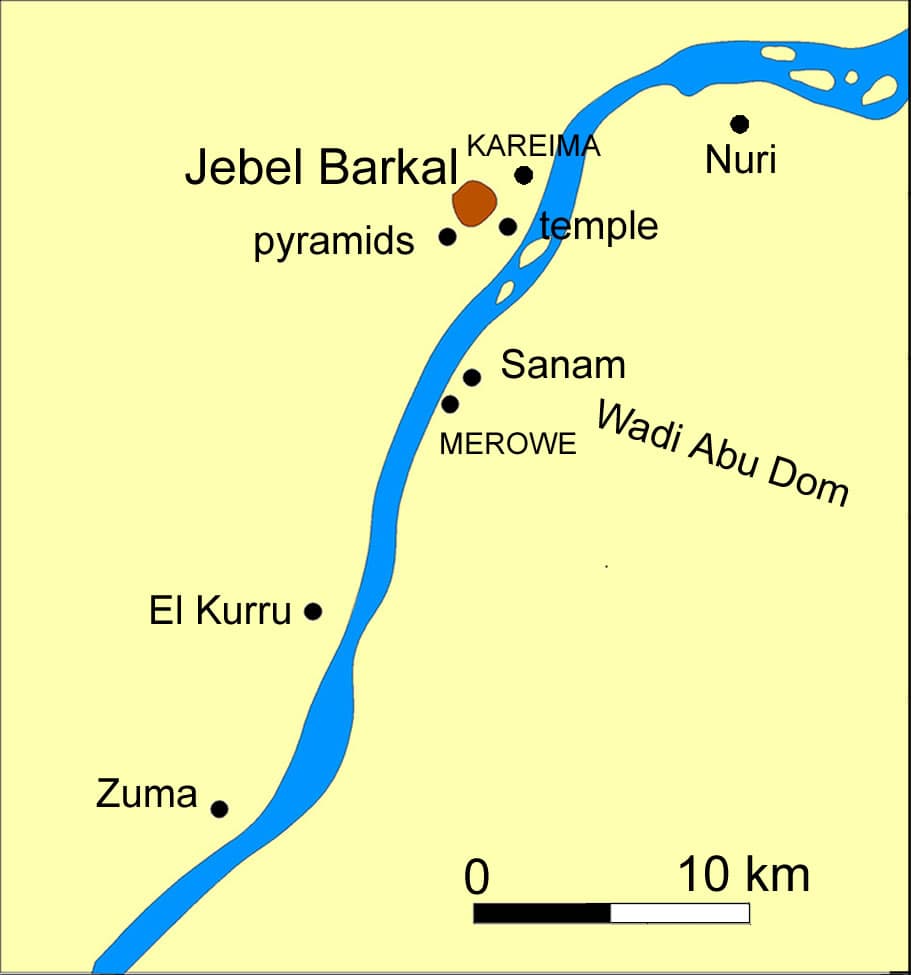
Nile geology helped the ancient Kushite city of Napata flourish, Michigan study finds
University of Michigan archaeologists and earth scientists have studied the land beneath the ancient Kushite city of Napata in Sudan to understand why it thrived. Their work points to the Nile and the surrounding geology as key to the city's long success.
Source: Phys.org
Research
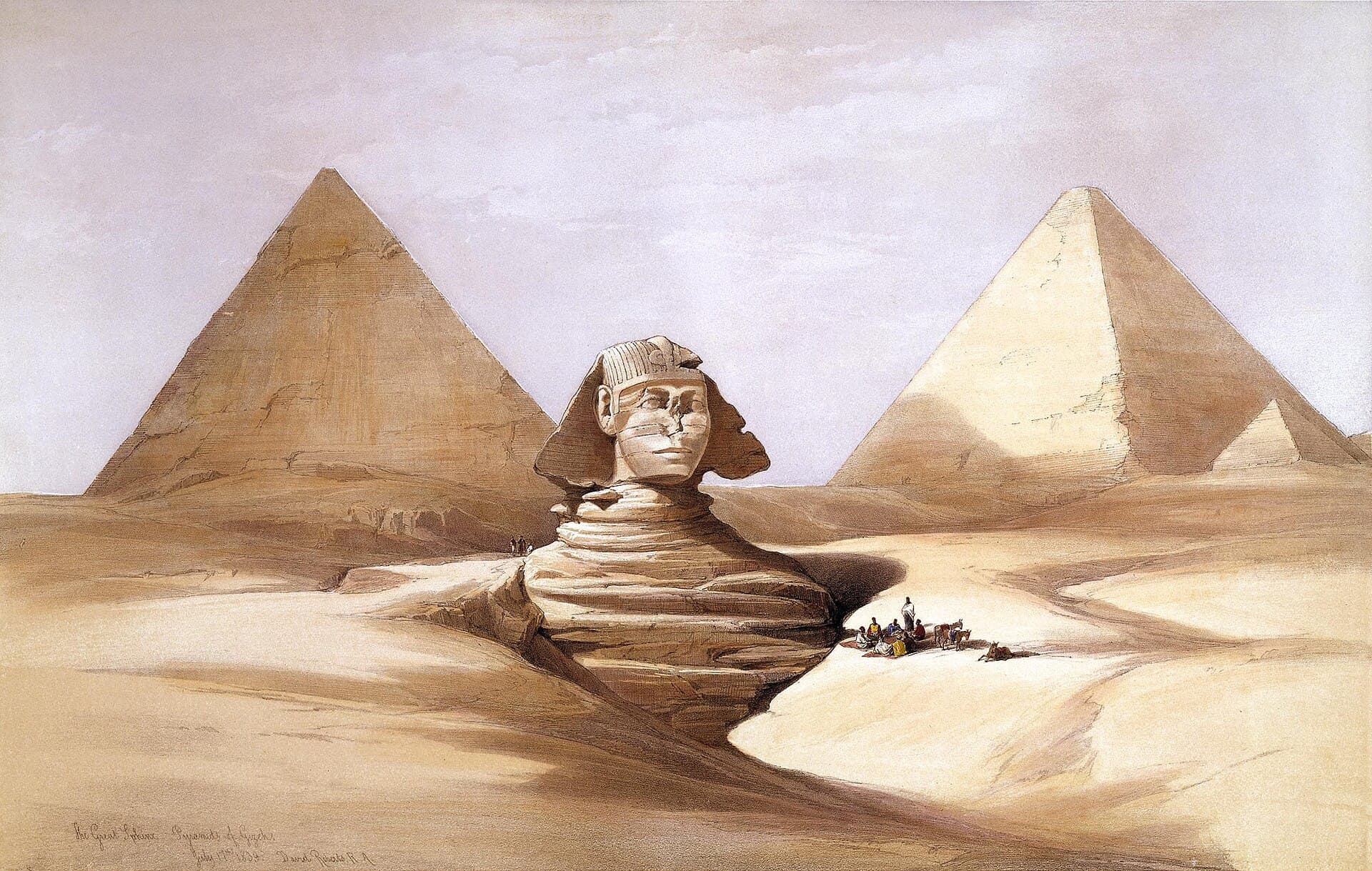
How the Great Pyramid of Giza has withstood 4,500 years of earthquakes
The Great Pyramid of Giza has survived more than 4,500 years despite repeated earthquakes, according to Phys.org. The 1992 Cairo earthquake dislodged some outer casing stones, but the main body of the monument remained essentially intact.
Source: Phys.org
New lessons and news by email.
An email when a new lesson or news story publishes (currently most days), and nothing else. Every email has a one-click unsubscribe link, and your address is used only for this (privacy policy).
Follow Hierolyte in Google Search
Add Hierolyte as a preferred source and its stories are more likely to appear in your Top Stories.