Discoveries
News from the world of ancient Egypt.
Excavations, exhibitions, hieroglyphic texts, and research, drawn from verifiable institutional sources. Every story cites where it came from.
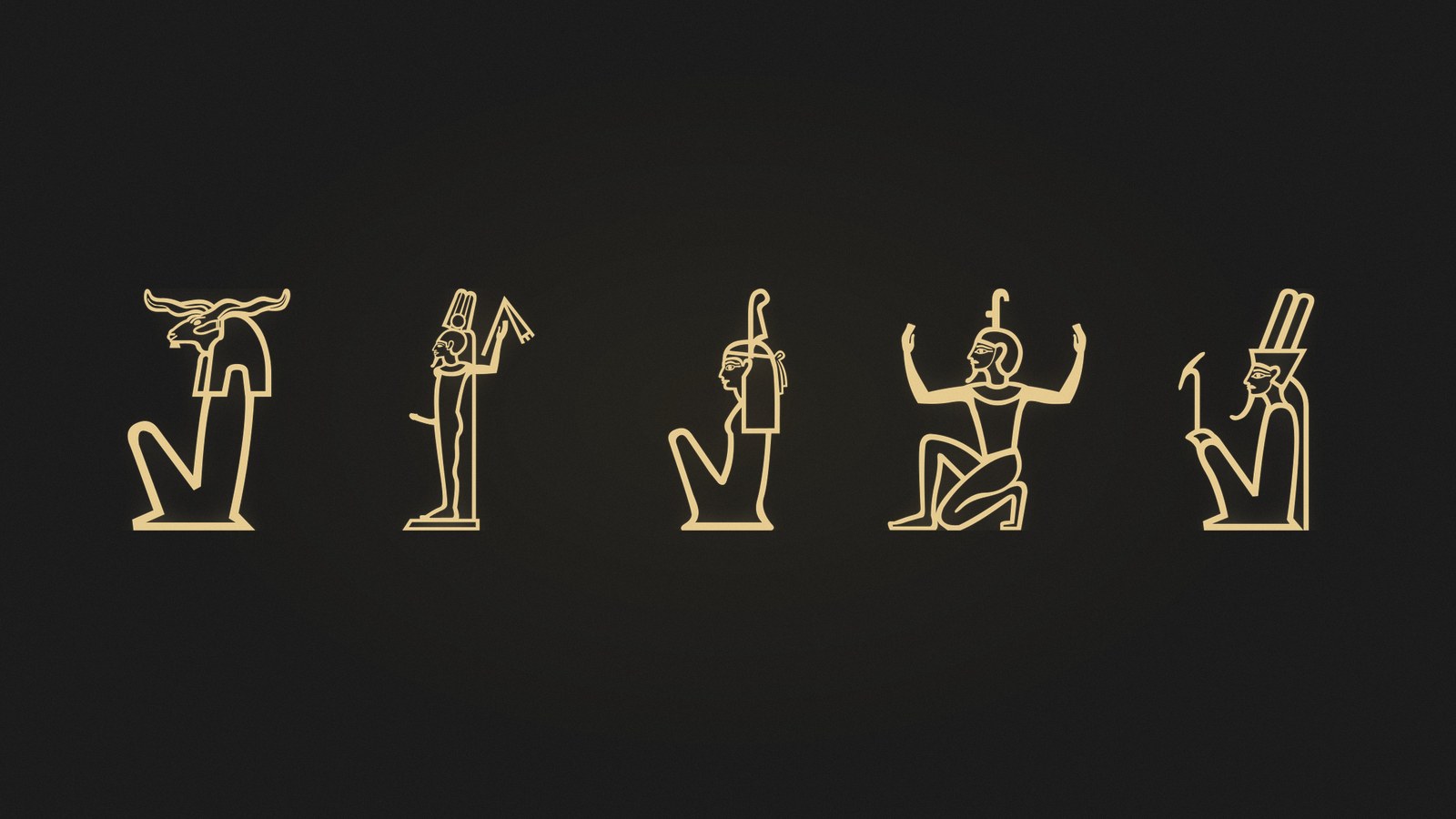
Five more gods you can recognise on sight
A beginner lesson on five more Egyptian gods you can name at a glance: Khnum, Min, Maat, Heh and Amun. Each one is identifiable from a single feature of headdress or posture, so their names are easy to pick out of an inscription.
2 min read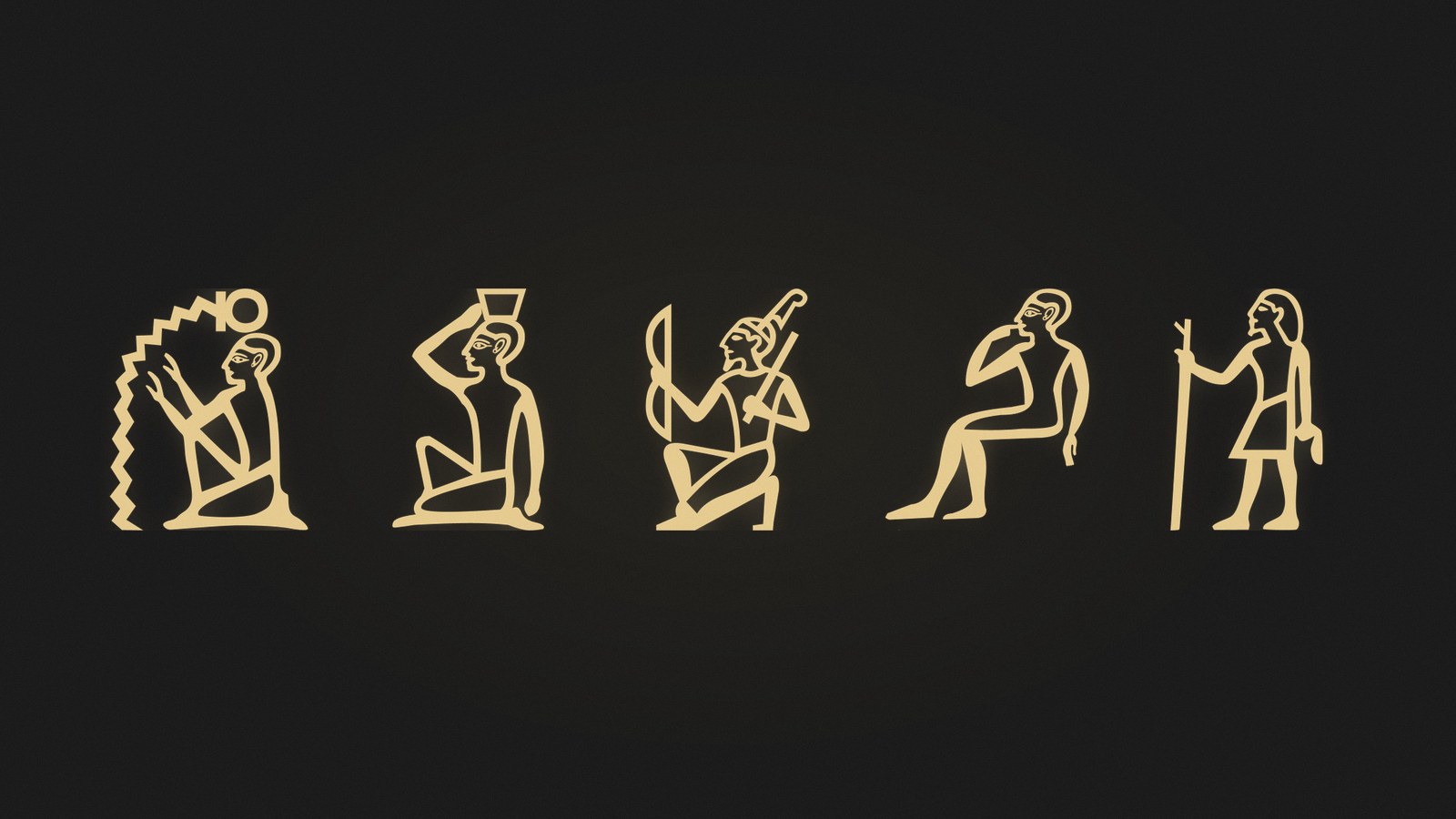
Egyptian jobs, written as little seated figures
The A group of the sign list is a crowd of small human figures, each frozen mid-action. This beginner lesson shows how their postures work as classifiers, from the jubilating figure to the seated official.
2 min read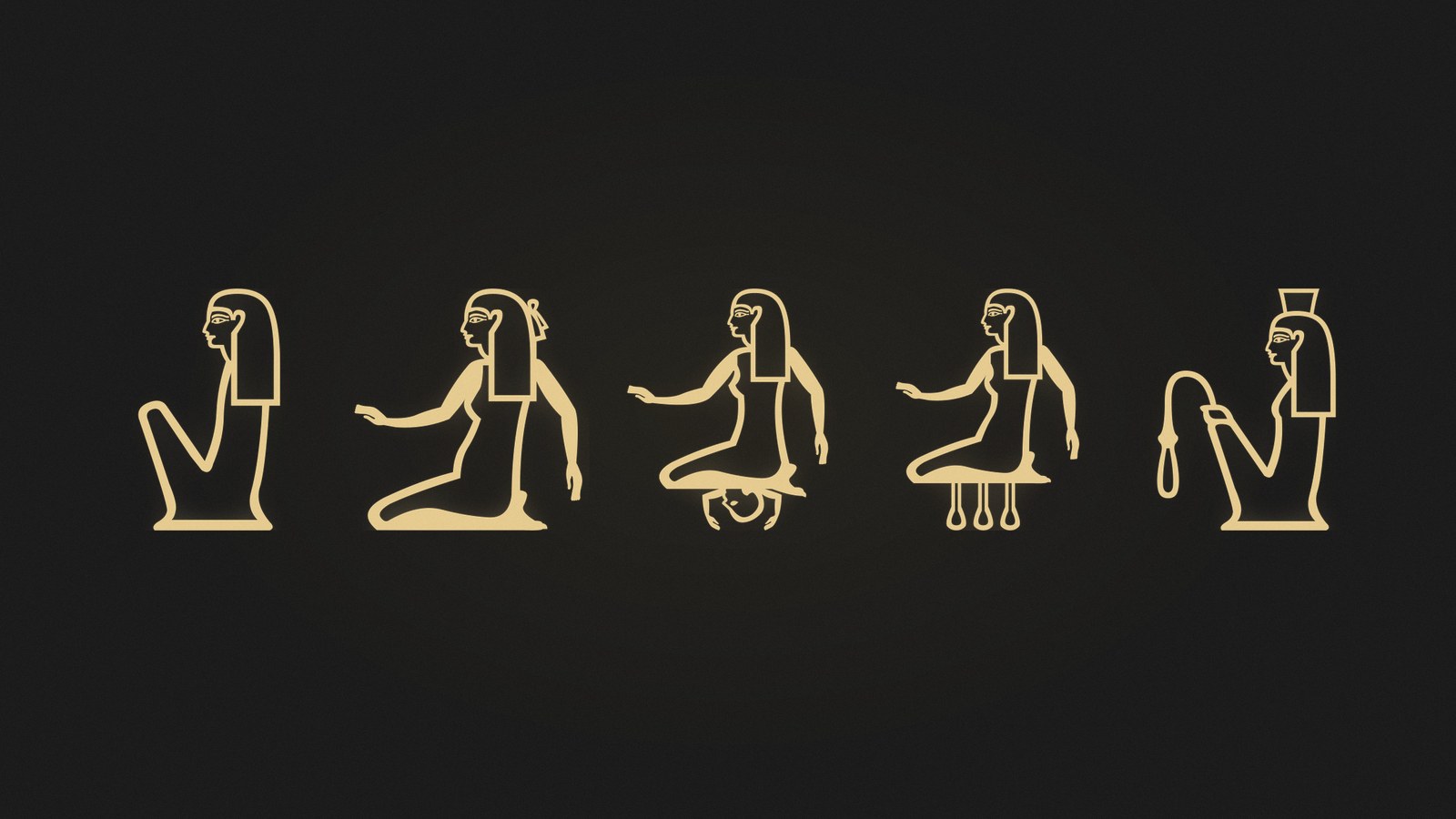
The women written into the hieroglyphic script
The hieroglyphic sign list sets aside a whole group for women, and it is unusually specific: woman, pregnant, giving birth, nursing and queen. This beginner lesson walks through five signs in the B group and what their specificity reveals.
2 min read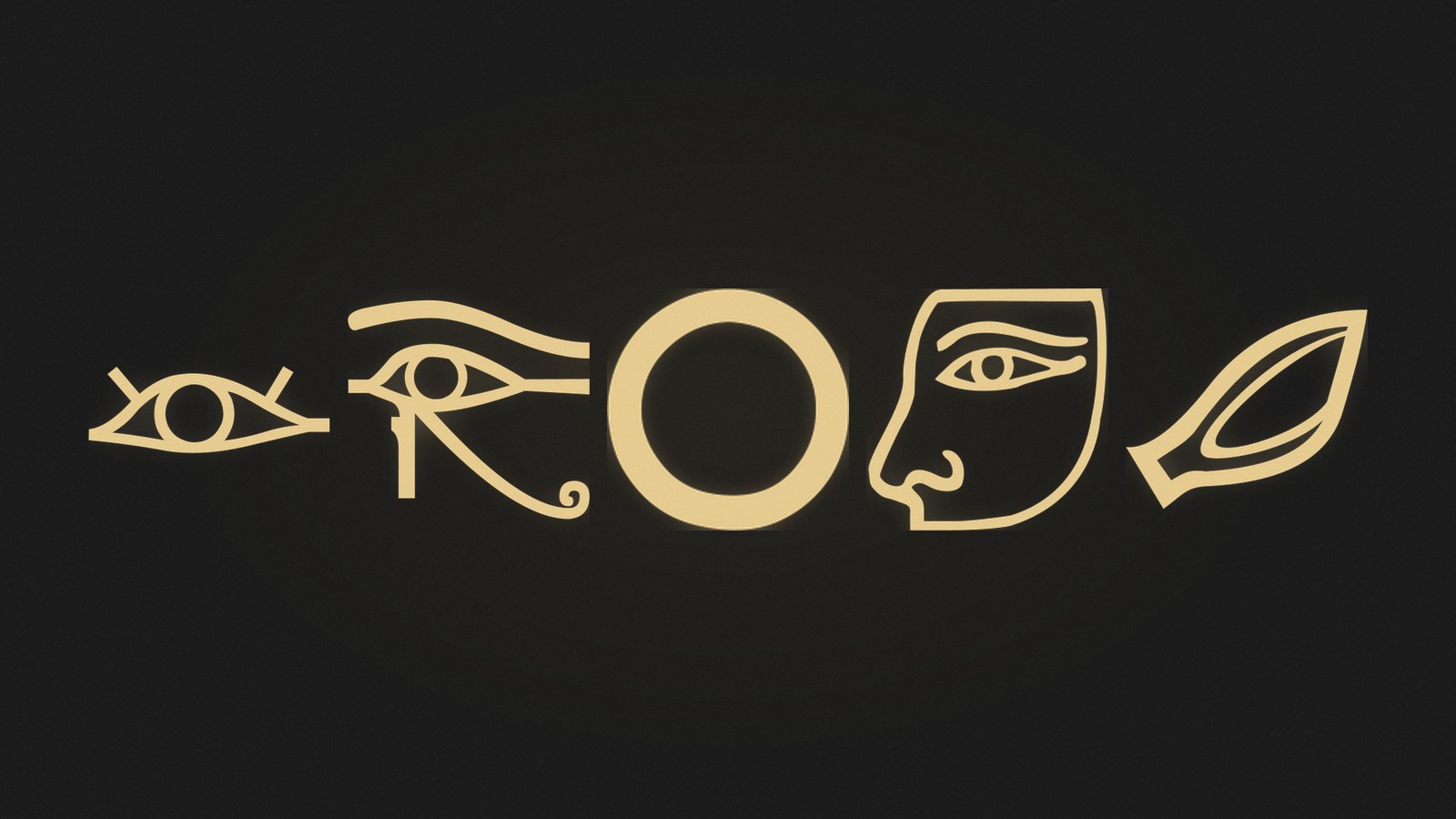
Seeing, hearing and breathing in hieroglyphs
The signs for the senses are among the most recognisable in the whole script. This beginner lesson introduces the painted eye, the wedjat, the pupil, the nose and the ear, and explains how the Egyptians used the body to write about seeing, hearing and breathing.
2 min read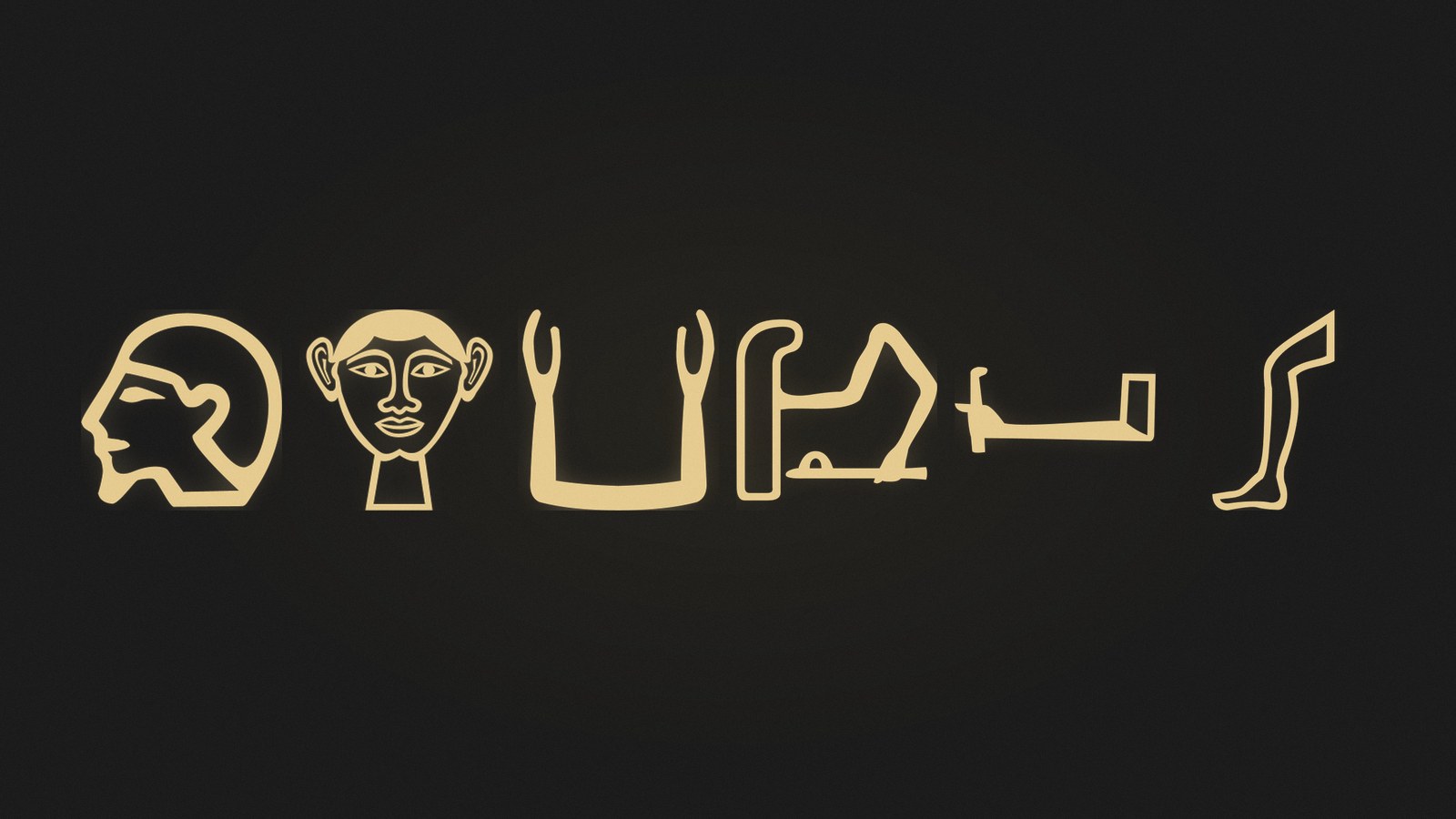
How Egyptian turned body parts into abstract words
Ancient Egyptian repeatedly borrowed pictures of the human body to write abstract ideas: a head for first, a face for upon, arms for standing and strength. This beginner lesson traces the habit across six signs so you can start reading it everywhere.
2 min read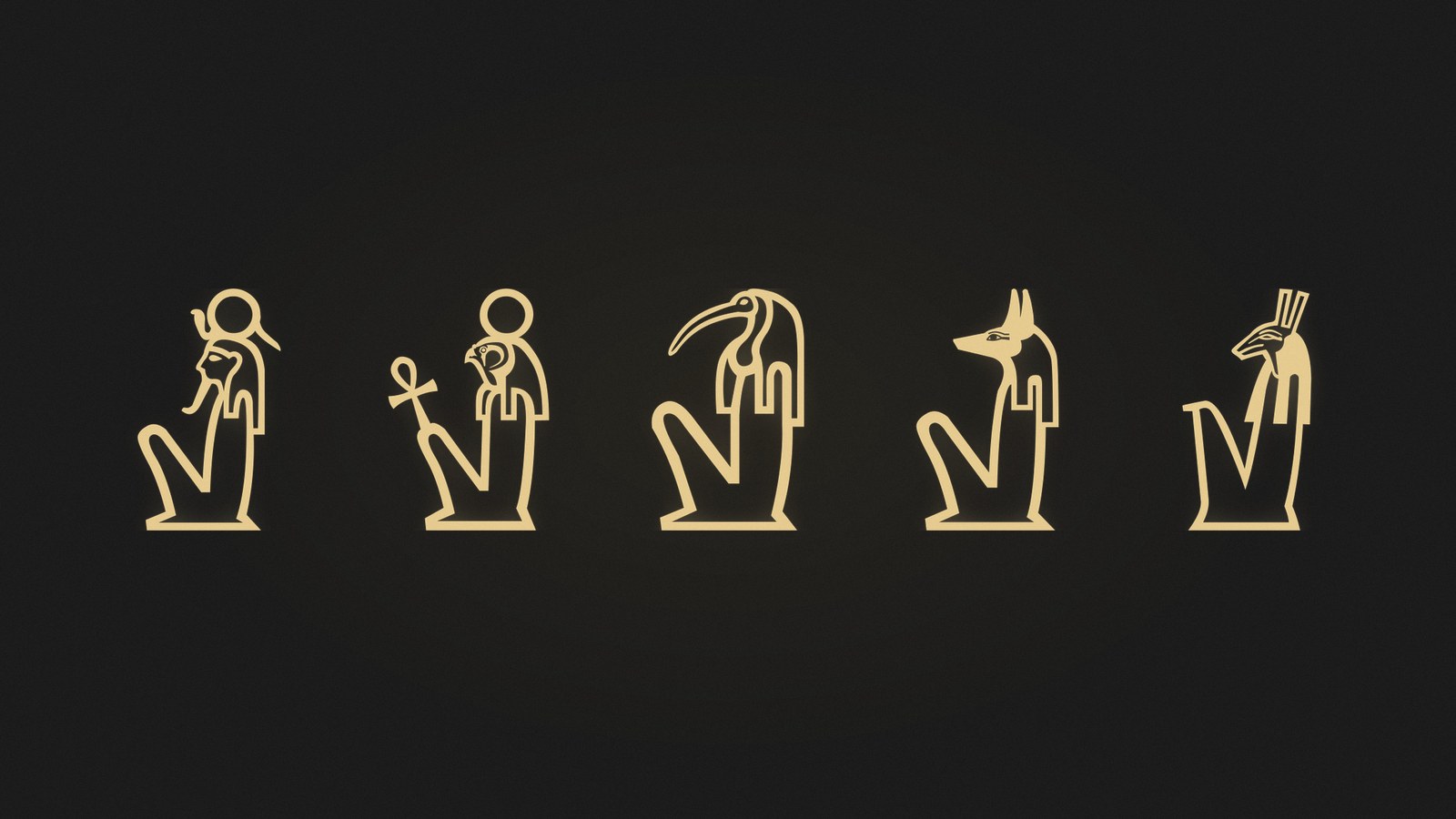
How to spot a god's name in a hieroglyphic text
Divine names are among the easiest things to pick out of a hieroglyphic wall, because a small seated figure marks a name as a god's. Learn the generic deity sign and the specific figures for Ra, Thoth, Anubis and Seth.
2 min read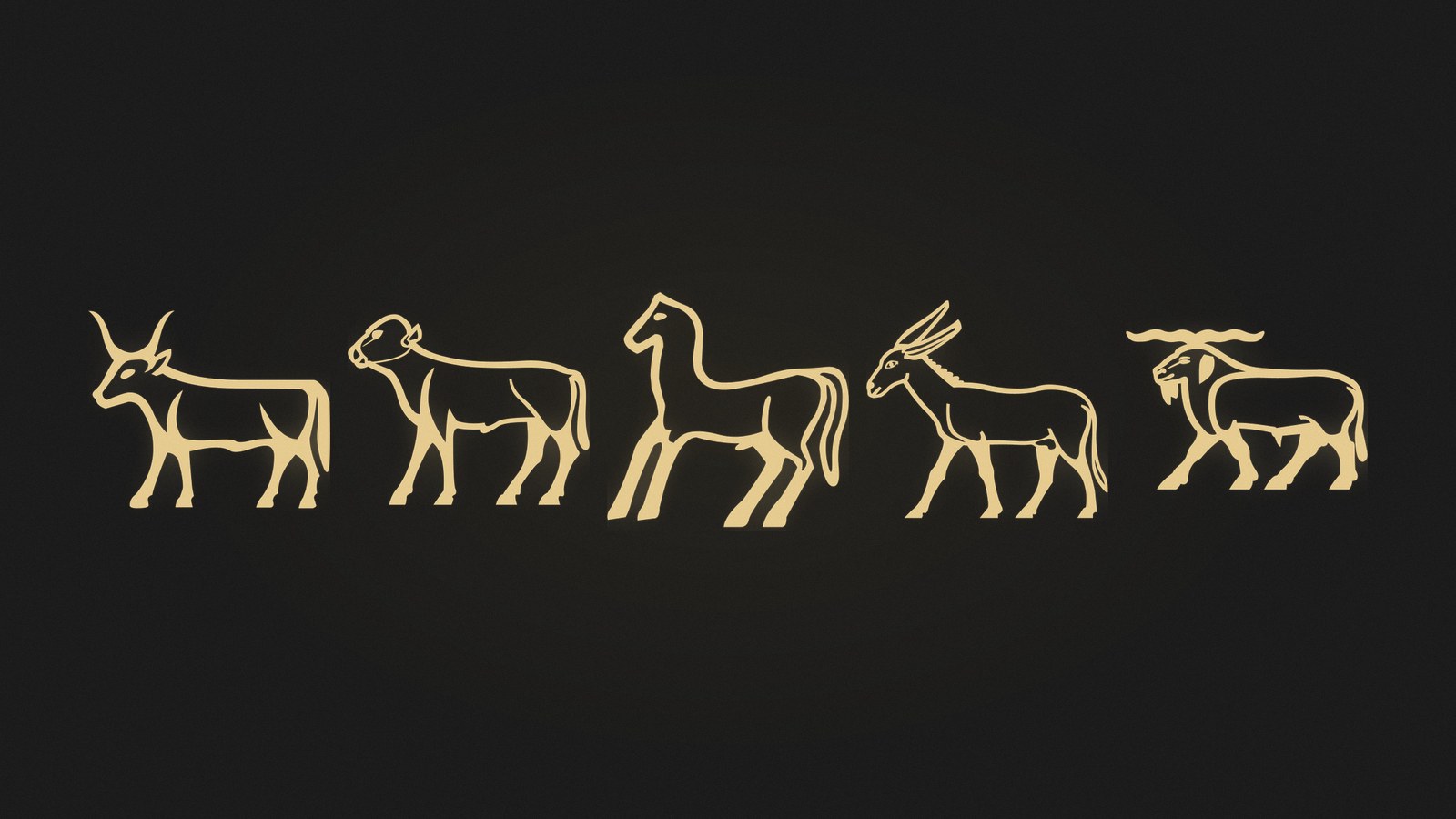
The animals living inside Egyptian words
Egyptian scribes drew the animals around them, and those drawings became working parts of the writing system. From the royal bull to the newly arrived horse, these five signs show how hieroglyphs kept a record of the living world. A gentle introduction for complete beginners.
2 min read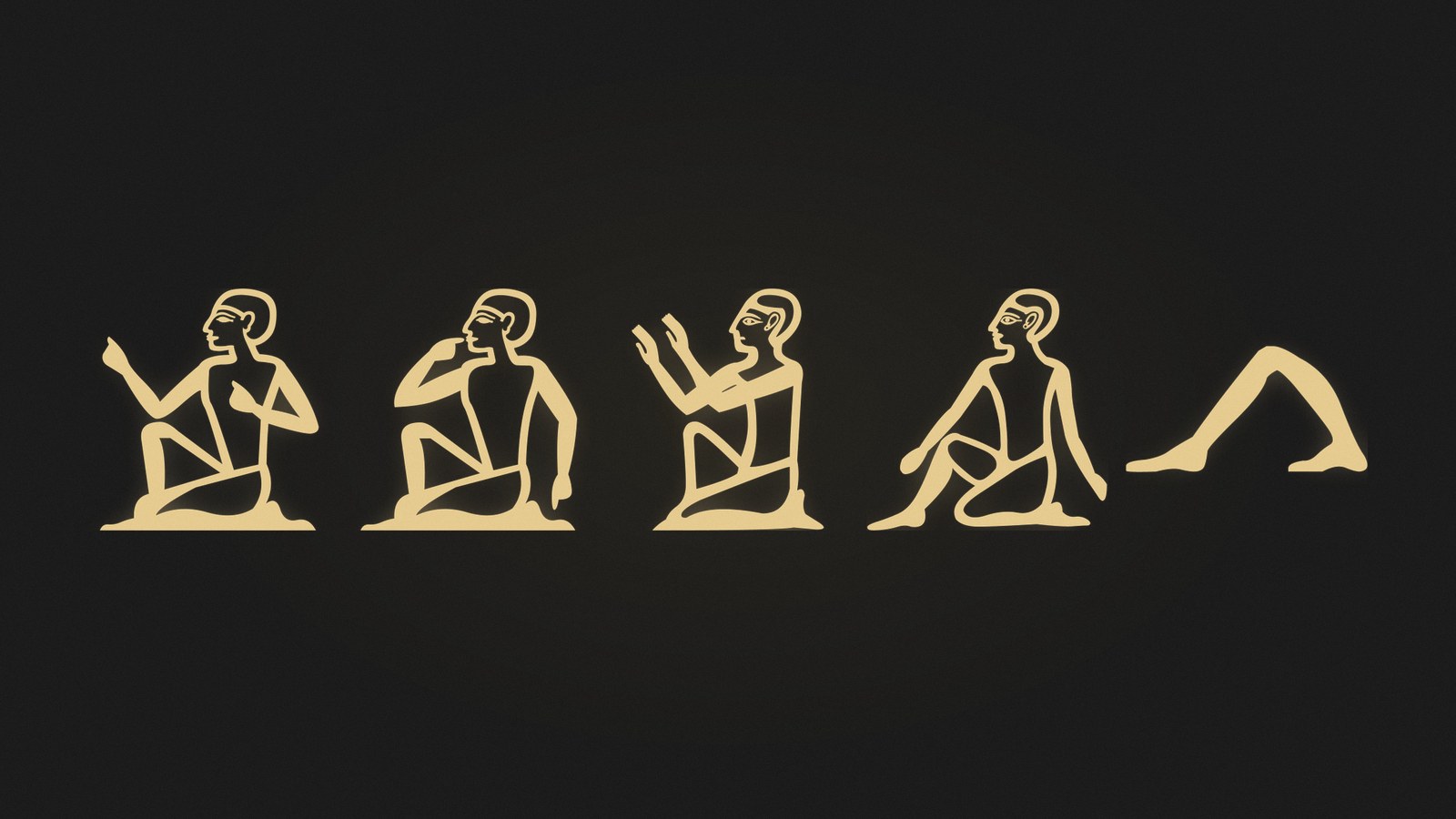
The hieroglyphs you are not meant to pronounce
Some hieroglyphs are never spoken aloud. Placed silently at the end of a word, these determinatives tell the reader what kind of word it is. Meet five of the most common, from the seated man to a pair of walking legs.
2 min read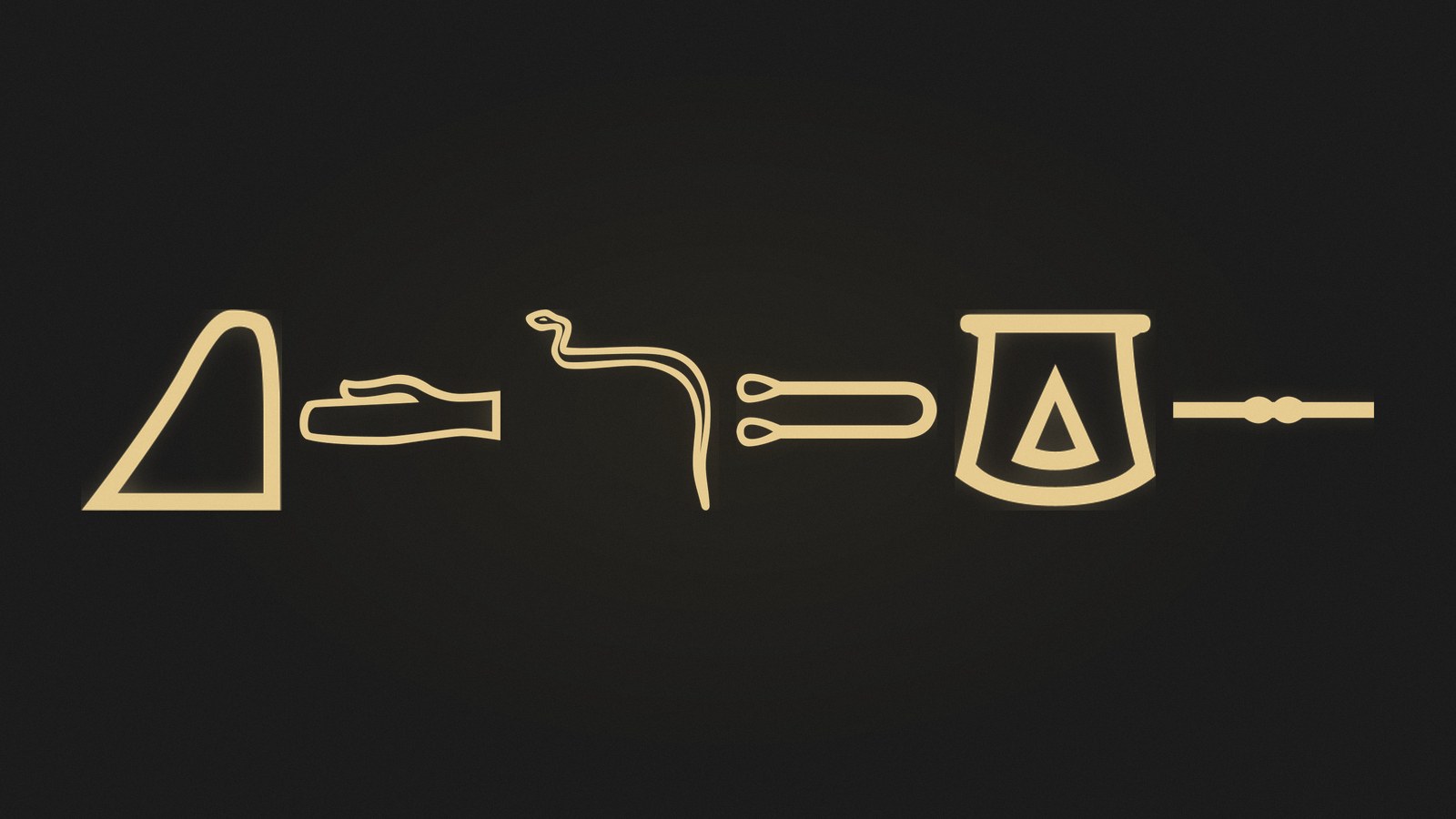
Finishing the hieroglyph alphabet
These six signs complete the single-consonant hieroglyphs: the sandy slope, hand, cobra, tethering rope, ring stand and door bolt. Learn them and you hold the whole uniliteral set, enough to sound out names, titles and everyday words.
2 min read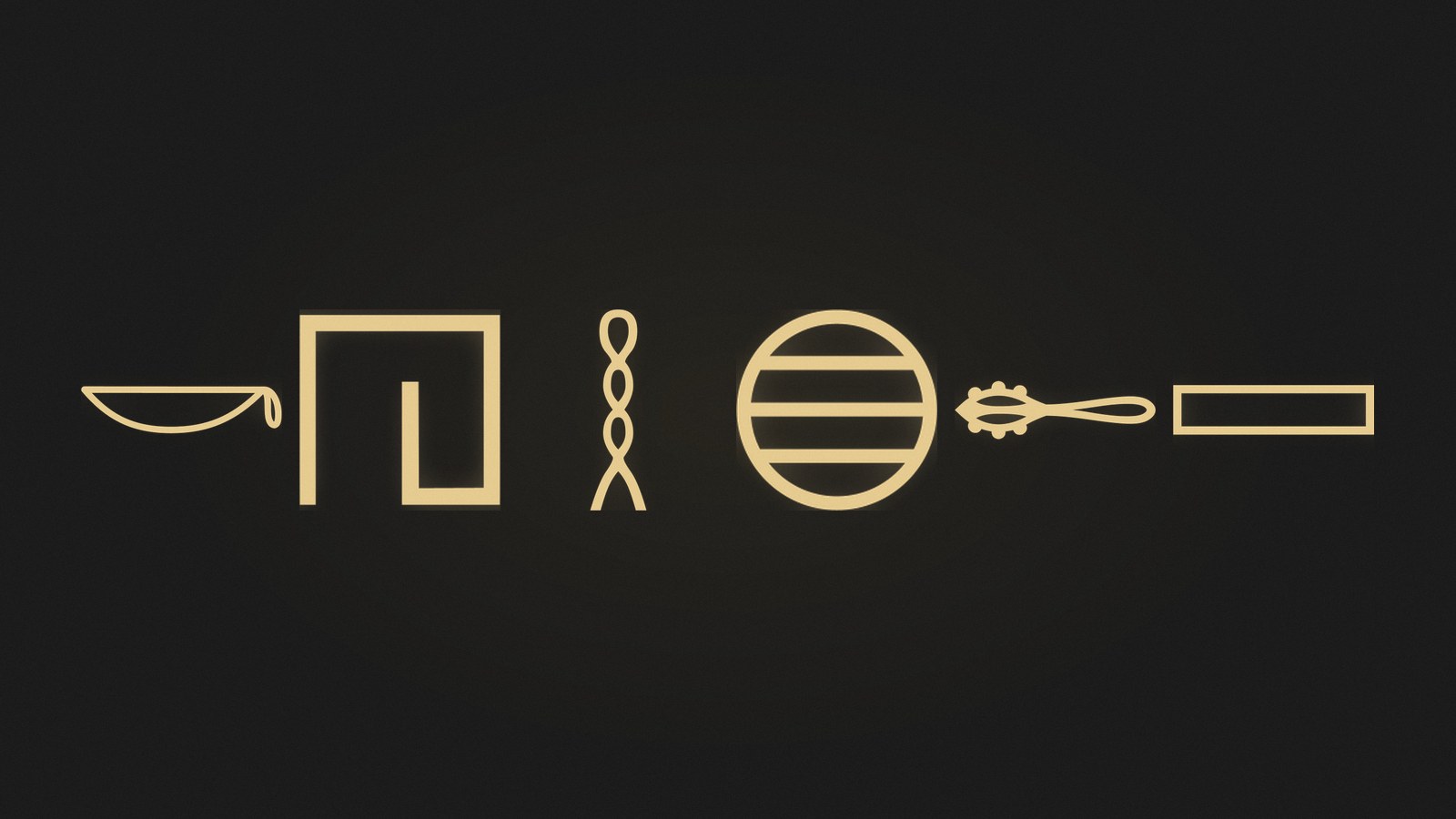
The hieroglyphs English speakers find hardest
Six Egyptian consonants have no easy English equivalent, and they are where beginners tend to slow down. This lesson walks through each sign and explains why the dots and hooks in transliteration matter so much.
2 min read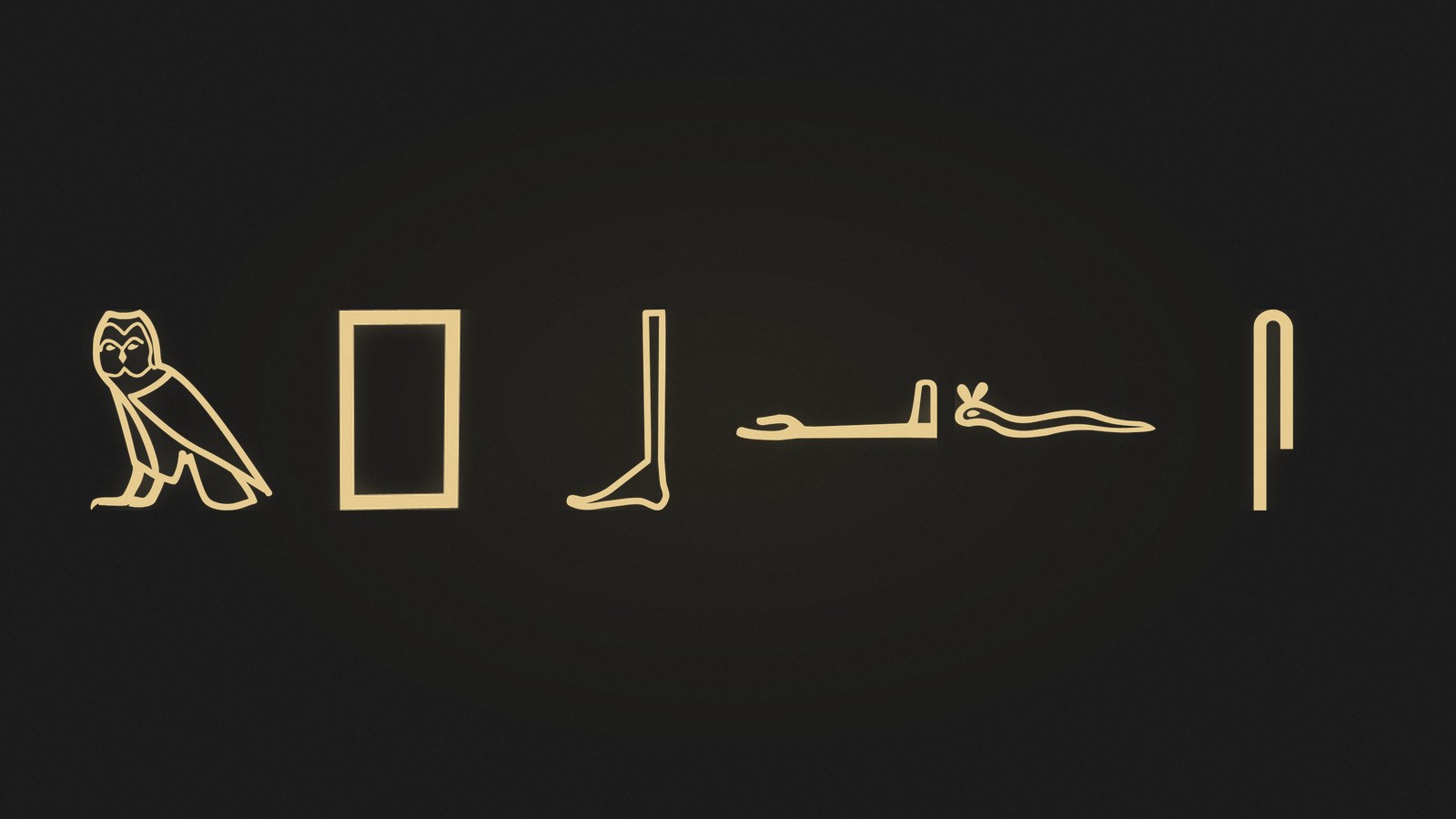
Six more hieroglyphs that work like letters
The alphabet lesson covered six single-consonant signs. Here are six more, and between them you can already sound out a surprising number of real Egyptian words.
2 min read
Three signs you will see everywhere: nfr, nb, ra
Three short hieroglyphs, nfr, nb and ra, turn up so often that recognising them transforms a museum visit. This beginner lesson introduces each sign, its meanings and where you will meet it, so you can start reading wall text phrase by phrase.
2 min read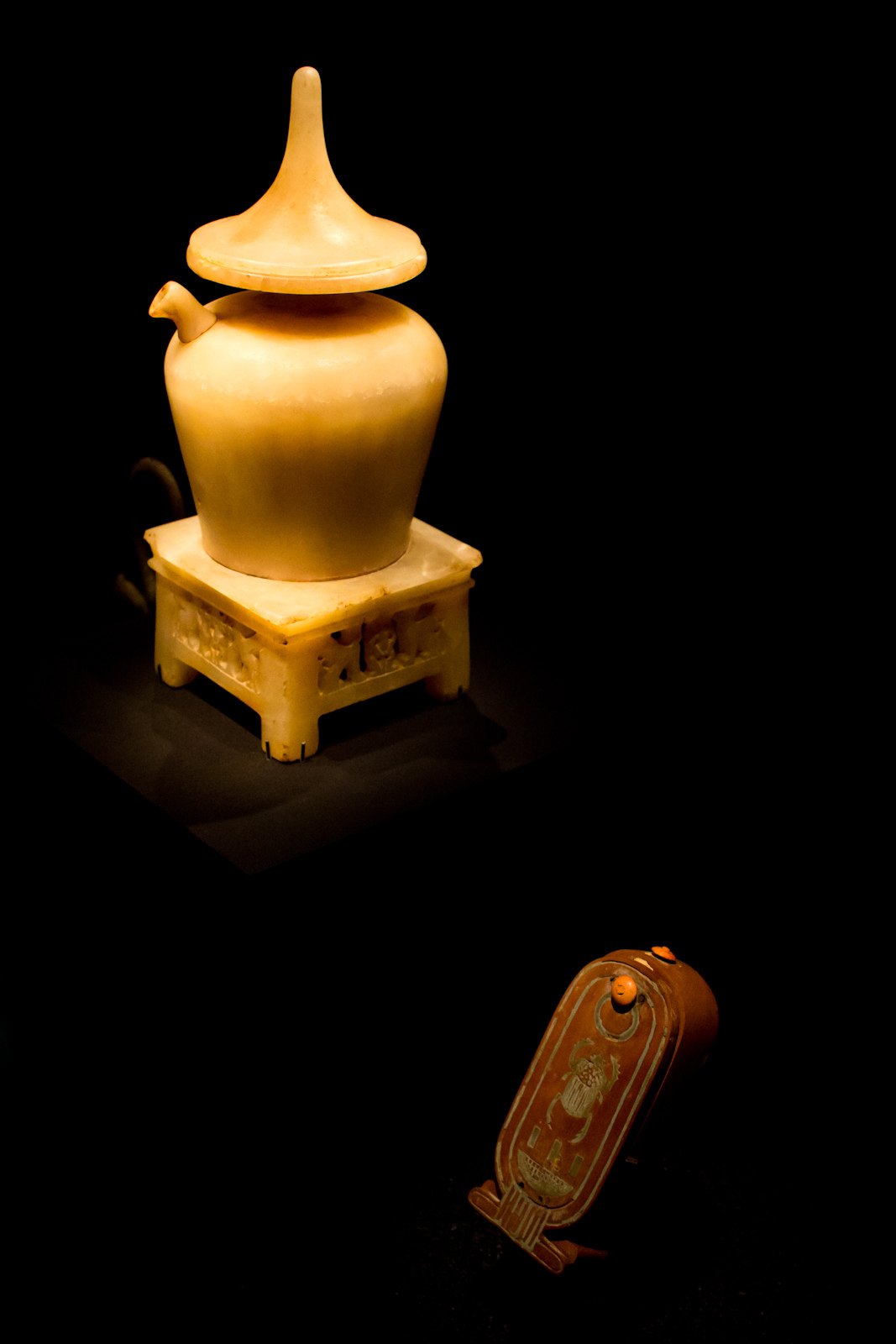
Read Tutankhamun's cartouches yourself
Tutankhamun's name is the most-photographed Egyptian text in the world, and a beginner can genuinely read it. Learn his two cartouches, the throne name Nebkheperure and the birth name Tutankhamun, and the elegant rule that puts the gods first.
2 min read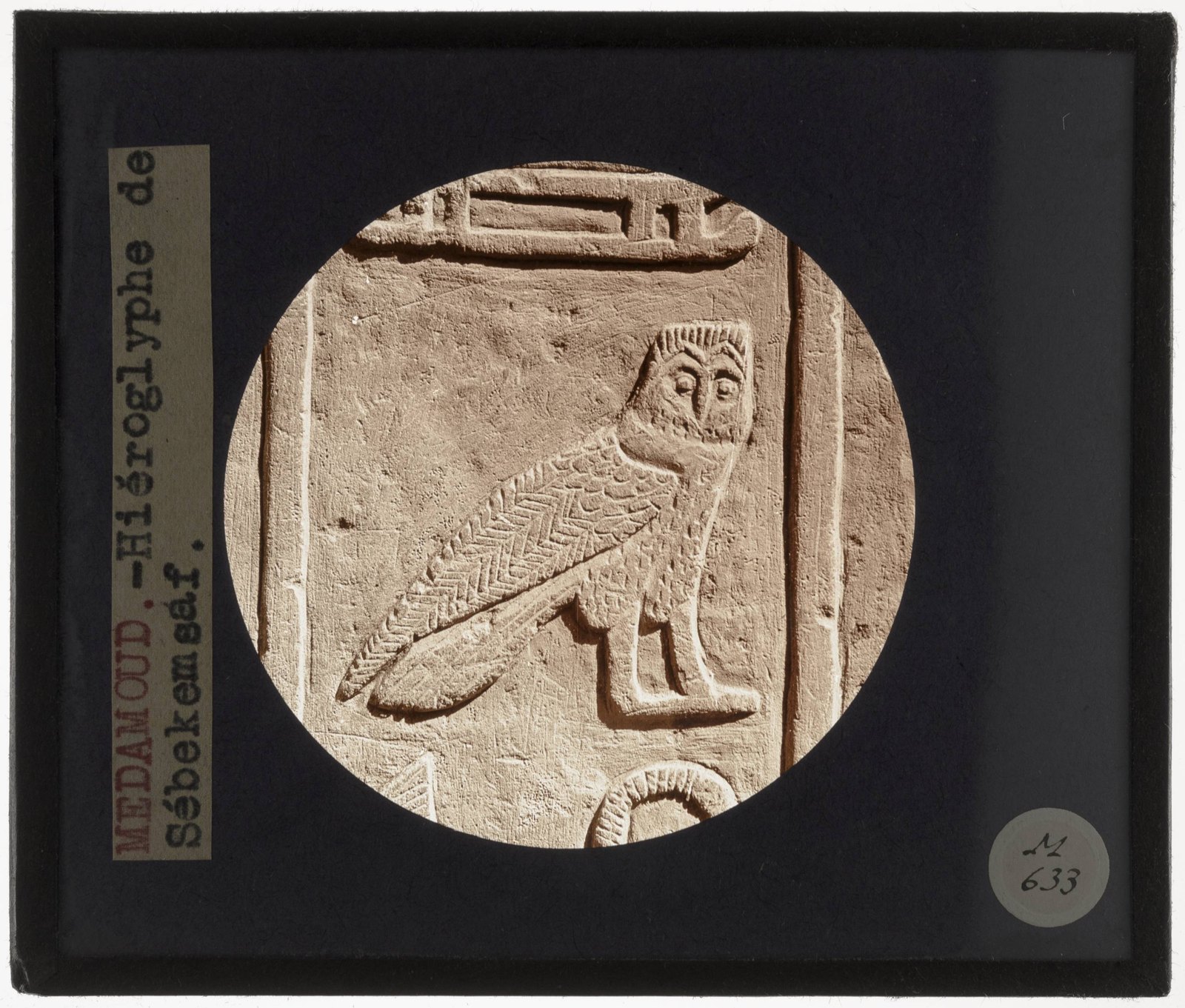
The owl is not an omen: hieroglyph false friends
Three everyday hieroglyphs look like pictures but rarely mean what they show. The owl writes m, the mouth usually writes r, and the walking legs are usually silent. Unlearning the obvious is the first real skill of reading.
2 min read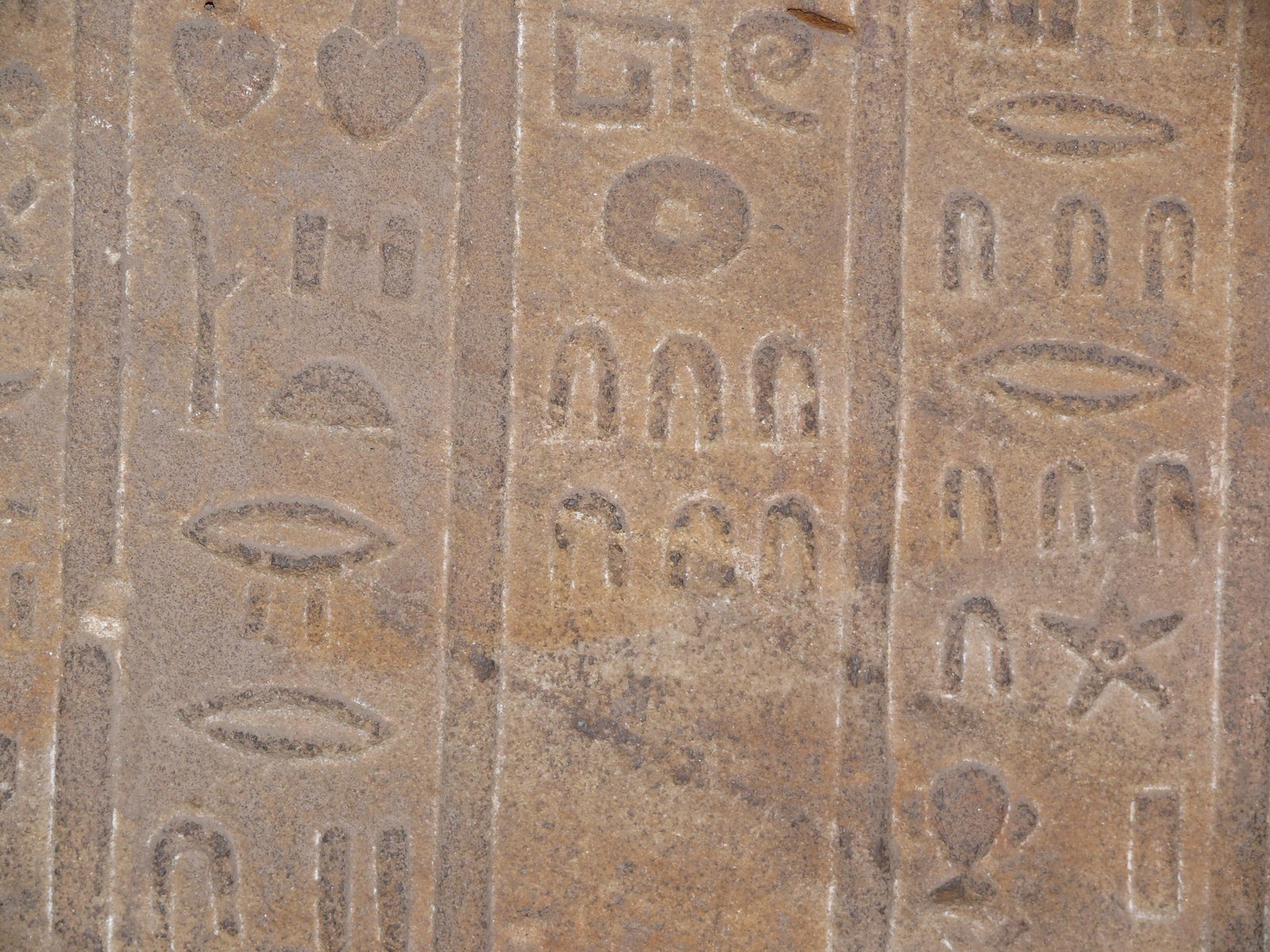
Count like an Egyptian: 1, 10, 100, 1,000
Egyptian numbers are among the easiest parts of the script to read. Learn the four core signs for one, ten, one hundred and one thousand, plus the single additive rule that lets you read quantities and offerings on real monuments.
2 min read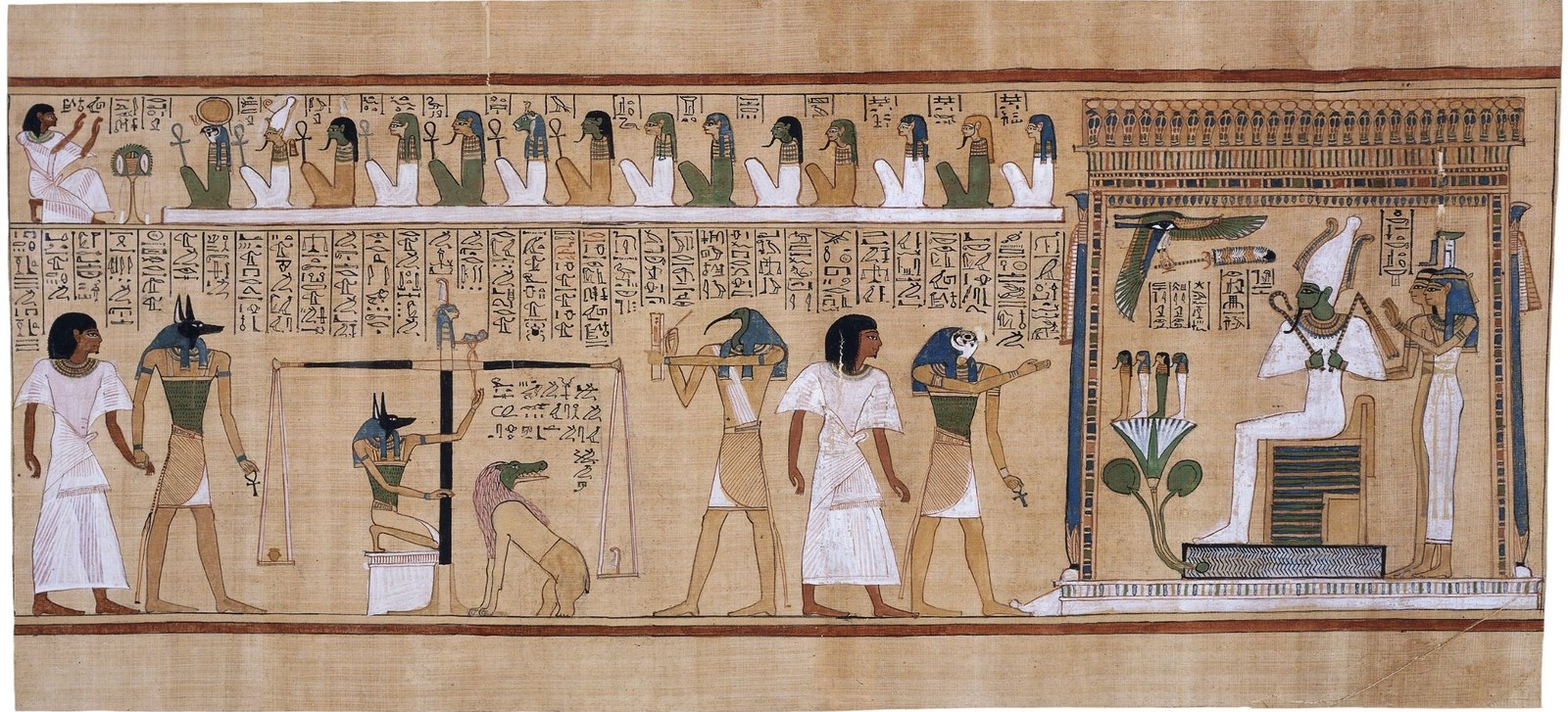
The feather that weighed a soul
The ostrich feather hieroglyph writes maat: truth, balance and right order. In the judgement of the dead, a human heart was weighed against it. This beginner lesson introduces the sign, the goddess and the famous weighing scene.
3 min read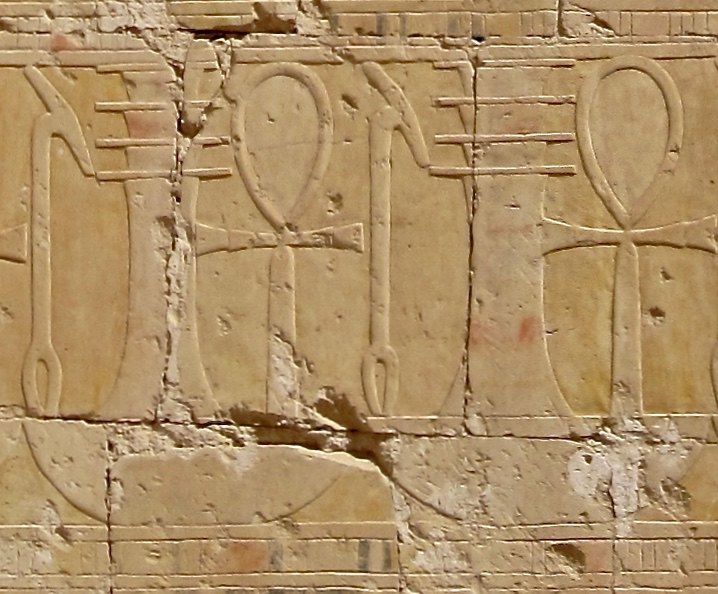
Ankh, djed, was: the three wishes behind every king
The ankh, djed pillar and was sceptre trail royal names across Egyptian art, spelling out a single wish: life, stability and dominion. Learn to name these three signs and you will start to spot the same blessing everywhere.
2 min readNew discoveries, straight to your inbox.
An occasional email when new Egyptology stories publish - nothing else. Every email has a one-click unsubscribe link, and your address is used only for this (privacy policy).